
Desserts
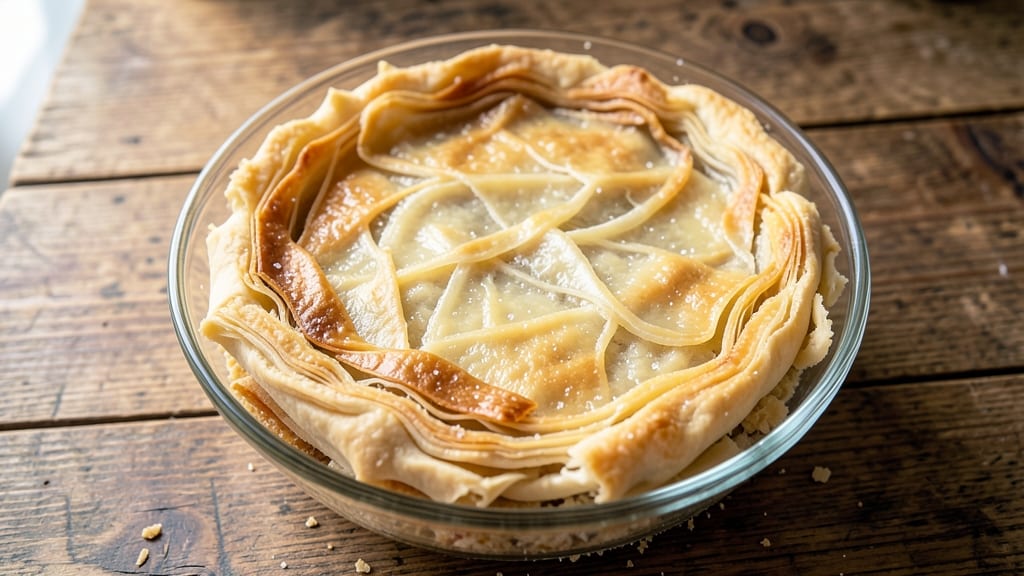
This all butter vodka pie dough recipe delivers the kind of flaky, golden perfection that makes every slice worth the wait. The vodka isn’t just for flavor—it tenderizes the gluten, creating layers so delicate they melt in your mouth.
I’ve perfected this dough over years of pie-making, and it’s the secret behind crusts that stay crisp even after hours in the oven.
What sets this recipe apart is the balance of cold butter and vodka, which prevents tough gluten formation while keeping the texture impossibly light. The dough rests overnight in the fridge, allowing flavors to meld and making rolling effortless.
No more fighting stubborn dough—just smooth, pliable layers ready for your favorite filling.
By the time you’re done, you’ll have a pie crust so tender and rich it’s almost criminal to cut into it. The vodka adds a subtle depth that pairs beautifully with both sweet fillings like apple or pecan and savory options like chicken pot pie.
Each bite delivers that perfect contrast of crispy, flaky crust against creamy or juicy fillings.
Whether you’re baking a classic apple pie or experimenting with a savory galette, this dough is your foundation. The instructions walk you through every step—from mixing to rolling—to ensure you achieve that signature flakiness. Let’s get started on the crust that will elevate every pie you make.
Ingredients for all butter vodka pie dough
Four cups flour, one pound butter, and a splash of vodka—this trio creates the flakiest crust you'll ever make.
| Ingredient | Amount | Notes |
|---|---|---|
| All-Purpose Flour 🌾 | 4 cups | Sifted for light texture |
| Unsalted Butter 🧈 | 1 lb | Cold, cubed for flakiness |
| Vodka 🍸 | ½ cup | High-quality, not cooking vodka |
| Ice Water ❄️ | ½ cup | Chilled for structure |
| Diamond Crystal Kosher Salt 🧂 | 1 ½ tsp | Fine grain preferred |
| Granulated Sugar 🍚 | 1 tbsp | Balances richness |
The butter is non-negotiable here. European-style unsalted butter (like Plugrá or Land O'Lakes European) has higher fat content for maximum flakiness. Grab it from Whole Foods or the international aisle at Kroger—it's worth the splurge. Keep those butter cubes cold; if they soften while mixing, pop them back in the fridge for 10 minutes. The vodka? Smirnoff No. 21 or Belvedere work perfectly—they're smooth and don't overpower. If you're using cooking vodka, you'll taste it, and trust me, you don't want that.
No vodka? Cold water or white wine will work in a pinch, but you'll lose that signature tenderness. Running short on butter? Shortening at half the amount keeps things flaky, though it won't be as rich. The flour should be cool—warm flour develops gluten faster, making your crust tough. If you don't have a scale, spoon and level your flour into the cups for accuracy. And for the love of pie, don't skip the sugar—it balances the butter's richness and helps with browning. If you're using a different brand of salt (like Morton), reduce to 1 tsp—Diamond Crystal is finer and packs more flavor punch.
This dough needs time—at least 2 hours in the fridge, overnight is ideal. Wrap it tightly in plastic and store it in the coldest part of your fridge. The butter will stay firm, making rolling a breeze. If you're prepping ahead, you can freeze the dough for up to 3 months—just thaw it in the fridge overnight before using. Leftovers? Roll out a second crust and freeze it for future pies. Pro tip: Use a bench scraper when rolling to avoid tearing, and keep the dough chilled between folds. Every pie deserves this kind of crust.
Why You'll Love This Recipe
- No-Fuss Magic: I swear by this dough—just pulse flour, cold butter, vodka, and ice water in a food processor. Two minutes. No rolling, no stress, no waiting for the dough to rest. The vodka does all the work, keeping it tender without extra effort.
- Butter So Rich: That all-butter ratio? Pure decadence. The vodka infuses just enough subtle depth, but it’s the flaky layers—crisp, golden, and buttery—that make every bite feel like a treat. (Yes, even on a Tuesday night.)
- Pie for Everything: Use it for pies, of course, but also hand pies, pot pies, or even a buttery crust for savory tarts. I’ve even pressed it into a skillet for a quick galette. One dough, endless possibilities.
- Leftovers? Never: This dough keeps for days in the fridge, and it freezes like a dream. Pull out a chunk whenever you need it—no defrosting, no fuss. Honestly, I make a double batch just to have it on hand.
Step-by-step instructions for all butter vodka pie dough
Here's how to create the flakiest, most tender pie crust you've ever made.
Prepare Your Ingredients for Perfect Texture
Start by sifting the 4 cups All-Purpose Flour into a large bowl. This removes any lumps and aerates the flour, which is crucial for light, flaky layers. In a separate bowl, cut the 1 lb Unsalted Butter into ½-inch cubes and place them in the freezer for 10 minutes to keep them cold. Cold butter is essential—it creates steam pockets during baking that give you those signature flaky layers.
Next, measure out the 1.5 tsp Diamond Crystal Kosher Salt and 1 tbsp Granulated Sugar into a small bowl. The sugar balances the salt and adds a subtle sweetness that complements the richness of the butter. Keep the 0.5 cup Vodka and 0.5 cup Ice Water chilled in the refrigerator until ready to use. The vodka adds moisture without the risk of a soggy crust, and the ice water keeps the dough firm during handling.
Combine Dry Ingredients and Cut in the Butter
Add the 1 lb Unsalted Butter cubes to the sifted flour in the large bowl. Using a pastry cutter or your fingers, work the butter into the flour until you have pea-sized crumbs. This process, called "cutting in," is where the magic happens—you're creating pockets of butter that will melt and create steam during baking. If the mixture starts to look like wet sand, it's okay; just keep working it until it resembles coarse crumbs.
Here's the thing—don't overwork the dough. You want the butter to stay in chunks as much as possible. If the mixture feels too warm or the butter starts to melt completely, pop the bowl back in the freezer for 5 minutes to firm everything up again. The goal is to maintain that cold butter until the final mixing step.
Add Vodka and Ice Water for Structure
Create a well in the center of the flour-butter mixture and pour in the 0.5 cup Vodka and 0.5 cup Ice Water. The vodka helps dissolve the gluten in the flour, which prevents the crust from becoming tough. Using a fork, gently mix the liquids into the dry ingredients until just combined. You're looking for a dough that holds together when pressed but doesn't stick to your hands.
At this stage, the dough should be shaggy and slightly dry. If it feels too dry, add 1 teaspoon of ice water at a time until it comes together. If it's too wet, sprinkle in 1 tablespoon of flour and mix again. The vodka helps bind the dough without adding extra moisture, so handle it gently—overmixing develops gluten and makes the crust tough.
Chill and Rest for Maximum Flakiness
Divide the dough into two equal discs and flatten them into 6-inch rounds. Wrap each disc tightly in plastic wrap and refrigerate for at least 2 hours, or up to 48 hours. This resting period is non-negotiable—it allows the gluten to relax and the butter to firm up, which is what gives you those beautiful, delicate layers when baked. If you're short on time, you can freeze the dough for 30 minutes as a quick alternative, but chilling overnight yields the best results.
During this time, the butter will redistribute itself within the dough, creating even more pockets for steam to escape. This is what separates a good pie crust from an extraordinary one. While the dough rests, preheat your oven to 375°F and prepare your pie dish. The contrast between the cold dough and hot oven will help create that perfect flaky texture.
Roll and Fit the Dough for Even Baking
Remove one disc of dough from the refrigerator and let it sit at room temperature for 5-10 minutes to soften slightly. Place it between two sheets of parchment paper and roll it out to a 12-inch circle, about ⅛-inch thick. The parchment prevents sticking and makes rolling much easier. If the dough resists rolling, let it warm up a bit longer—it should be pliable but not sticky.
Carefully transfer the rolled dough to your pie dish, letting it drape over the edges. Trim any excess dough, leaving about ½-inch overhang. Fold the overhang under itself to create a neat edge. Gently press the dough into the bottom and sides of the dish, being careful not to stretch it. If you notice any cracks or tears, patch them with small pieces of dough. The goal is to create an even, smooth surface that bakes uniformly.
Pro Tips For Making All Butter Vodka Pie Dough
- Chill the Butter First: Take your unsalted butter straight from the fridge and cut it into ¼-inch cubes—don’t let it sit out even for a minute. Cold butter creates flaky layers, while warm butter turns the dough greasy and tough. (Yes, even if you’re impatient like me.)
- Mix Vodka Last: Hold off on adding the vodka until the flour and butter are just combined—then pour it in after the ice water. This keeps the dough from getting too wet too fast, which prevents a gummy texture. (I learned this the hard way after one batch turned into a sad, sticky mess.)
- Work Fast After Mixing: Once you add the ice water and vodka, stop messing with the dough—no over-handling. Just fold it 2-3 times to bring it together, then roll it out immediately. Overworking it develops gluten, and you’ll end up with a tough crust instead of the tender, buttery result you want.
- Skip the Extra Flour: If the dough feels sticky, resist the urge to add more flour—it’ll make the crust dry. Instead, wet your hands slightly and keep pressing gently. The vodka and ice water are doing their job; trust the recipe’s ratios. (Your future self will thank you.)
Pro cooking tips for perfect results
Vodka's Secret Role
The vodka in this dough isn't just for flavor—it's a game-changer for texture. The alcohol helps break down gluten strands, creating a more tender, delicate crust that's less likely to shrink during baking.
I've tested this dough with water, milk, and even apple cider, but nothing compares to vodka's ability to keep the layers tender while preventing a gummy texture. 🍸
Use a high-quality vodka like Smirnoff No. 21 or Belvedere—cheap vodka can leave a harsh aftertaste. If you're avoiding alcohol, substitute with ice water plus 1 tsp lemon juice (the acid mimics vodka's gluten-softening effect), though the crust won't be quite as tender.
The vodka also adds subtle depth that pairs beautifully with both sweet and savory fillings.
Butter Temperature Control
Cold butter is the non-negotiable secret to flaky layers. Cut your 1 lb unsalted butter into ½-inch cubes and freeze them for 10 minutes before mixing. If the butter starts to soften while working with the dough, pop the bowl into the freezer for 5 minutes to reset it.
I've ruined more pie crusts than I'd like to admit by letting the butter get too warm—it melts into the flour instead of creating those magical steam pockets. 🧈
For even better results, use European-style butter (like Plugrá or Land O'Lakes European)—it has a higher fat content that enhances flakiness. If you're short on butter, replace ¼ lb with shortening (it has less water), but expect slightly less rich flavor.
Never use margarine or low-fat butter—they won't give you that professional-quality texture.
Resting Like a Pro
This dough needs time to develop its full potential. After mixing, divide it into two discs and refrigerate for at least 2 hours, but overnight is ideal. The resting period allows the gluten to relax and the butter to redistribute, creating more steam pockets for flakiness.
I like to wrap the dough tightly in plastic and store it in the coldest part of my fridge—this keeps the butter firm and prevents the dough from drying out. ❄️
If you're in a hurry, you can freeze the dough for 30 minutes before rolling, but chilled dough is always better. The longer you rest it (up to 48 hours), the more flavorful it becomes.
Pro tip: Place a small bowl of water in the fridge near your dough—this increases humidity and prevents the surface from drying out during resting.
Rolling Without Tears
Use two sheets of parchment paper when rolling to prevent sticking and make cleanup easier. Place the dough between the papers and roll from the center outward, applying even pressure.
If the dough resists, let it warm up at room temperature for 5-10 minutes—it should be pliable but not sticky. I find that using a 12-inch rolling pin (like the OXO Good Grips model) gives me better control than a longer pin. 💡
When transferring to your pie dish, let the dough drape over the edges naturally. Trim excess, leaving about ½-inch overhang, then fold it under itself to create a neat edge. If you notice cracks, patch them with small dough scraps—they'll bake up perfectly.
Never stretch the dough to fit; this creates tough spots that ruin the texture. A gentle hand is key here—this isn't the time for brute force.
Nutrition facts
Frequently asked questions
Why does this dough use vodka instead of water?
The vodka serves two purposes: it tenderizes the gluten for a lighter texture and prevents a gummy crust. The alcohol evaporates during baking, leaving behind subtle depth that enhances both sweet and savory fillings. For a non-alcoholic version, use ice water plus 1 tsp lemon juice as a substitute.
Can I make this dough ahead of time?
This dough improves with time. Wrap it tightly and refrigerate for up to 48 hours, or freeze for up to 3 months. Thaw in the fridge overnight before using. The longer it rests, the more flavor develops and the easier it rolls out.
What's the best way to roll out the dough without it sticking?
Use two sheets of parchment paper—place the dough between them and roll from the center outward. This prevents sticking and makes cleanup effortless. If the dough resists, let it warm slightly at room temperature for 5-10 minutes before rolling again.
How do I fix a cracked or torn pie crust?
Patch any cracks with small dough scraps and press gently to seal. For large tears, dampen the edges with water and press them together. If needed, use a fork to crimp the edges for extra strength. The crust will hold together during baking—just avoid stretching it when fitting into the pie dish.
What's the secret to getting a golden-brown crust?
The sugar in the recipe helps with browning, but egg wash makes all the difference. Brush the crust with beaten egg before baking for a beautiful golden finish. For extra shine, add a touch of heavy cream to the egg wash. Bake at 375°F until it's perfectly golden.