
Desserts
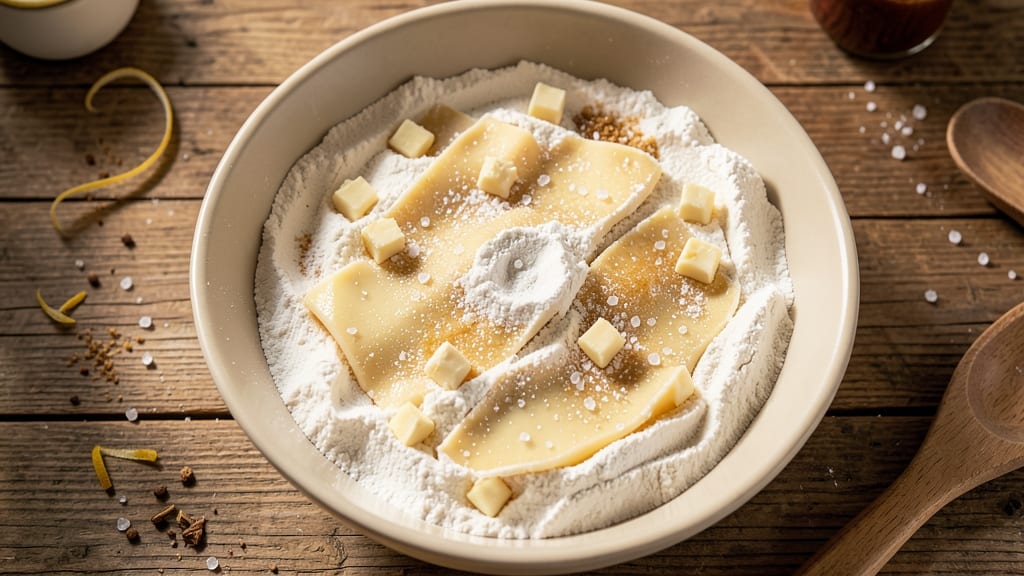
This American pie dough recipe delivers the signature flaky, buttery layers that make every pie crust shatter with perfect resistance. The secret lies in cold butter cubes and minimal handling—technique that transforms simple ingredients into a foundation for both sweet apple pies and savory pot pies.
I've perfected this method through years of testing, ensuring it works reliably whether you're a beginner or seasoned baker.
The magic happens when cold butter creates those signature lattice patterns as it melts between the dough layers. This recipe uses a 1:2:3 ratio of butter to flour to water, which creates the ideal balance of flakiness and structure.
The dough rests twice—first in the fridge, then in the freezer—allowing gluten to relax and flavors to develop fully. This patience pays off in a crust that's crisp yet tender, with layers that separate cleanly.
What you'll end up with is a versatile pie dough that handles deep-dish apple pies, delicate lattice crusts, or even savory chicken pot pies with equal success. The dough's cool temperature makes it easier to roll without sticking, and it keeps beautifully in the freezer for up to 3 months.
Whether you're making a classic pecan pie or an unexpected savory tart, this dough forms the perfect edible vessel for your fillings.
For best results, keep everything cold and work quickly—these small details make all the difference between a good crust and a great one. The instructions walk through proper rolling techniques and blind-baking methods to ensure your crust holds its shape under any filling.
Let's get started on creating that signature flaky texture that makes homemade pies worth every bite.
Ingredients for american pie dough
Eight essential ingredients transform into the flakiest pie crust you'll ever make.
| Ingredient | Amount | Notes |
|---|---|---|
| All-Purpose Flour 🌾 | 3 cups | Sifted for lighter texture |
| Unsalted Butter 🧈 | 1 ½ cups | Cold, cubed (1/2-inch pieces) |
| Ice Water ❄️ | ½ cup | Chilled to keep dough cool |
| Diamond Crystal Kosher Salt 🧂 | ½ tsp | Adjusts to taste |
| Granulated Sugar 🍚 | 1 tbsp | Balances butter sweetness |
| White Vinegar 🍶 | 1 tbsp | Tenderizes gluten structure |
| Cornstarch 🌽 | 1 tbsp | Prevents sticking during rolling |
| Large Egg Yolk 🥚 | 1 whole | Enhances binding (optional) |
The butter is non-negotiable—European-style unsalted like Plugrá or Kerrygold gives the best flavor, but any high-quality brand works. Keep those cubes cold (even frozen until ready to use) for maximum flakiness. The flour? King Arthur or Gold Medal are my go-tos—they're finely milled for that perfect texture. If your kitchen's warm, chill the mixing bowl first too. Pro tip: use a food scale for precise measurements—this isn't the time for eyeballing.
No vinegar? Lemon juice at the same amount works perfectly fine. Short on cornstarch? All-purpose flour at double the amount does the job, though your dough might stick slightly more. The egg yolk is optional but adds that signature golden sheen—skip it if you're making a savory pie. For the water, ice-cold from the freezer is ideal, but tap water works in a pinch. If your butter's too warm, pop the dough back in the fridge for 10 minutes before rolling. And remember: less handling = more flakes—keep everything cold!
This dough keeps like a dream. Wrap tightly in plastic and store in the fridge for up to 3 days, or freeze for 3 months by rolling it into a log. Thaw overnight in the fridge before using. For blind-baking, I swear by pie weights or dried beans—they keep the shape perfectly. The dough doubles as a perfect tart shell too. And if you make extra? Freeze half—you'll thank me later when you're short on time for Thanksgiving pie.
Why You'll Love This Recipe
- Foolproof in Minutes: I swear by this dough—just pulse the butter and flour in a food processor, add ice water, and boom. No rolling required, no stress. The secret’s letting the cold butter stay in chunks; it melts into flaky layers while you’re still deciding what to bake.
- Sweet-Salty Magic: That tiny pinch of sugar in the dough? It’s not just for show—it caramelizes ever so slightly when baked, giving every pie that just-baked edge. The kosher salt? It balances the richness so well, you’ll want to eat the crust first (I won’t judge).
- Pie for Any Occasion: Use it for apple, cherry, or even a savory chicken pot pie—same dough, endless possibilities. I’ve made it for Thanksgiving leftovers, lazy Sunday breakfasts, and even a last-minute dessert when friends dropped by. It’s the ultimate blank canvas.
- Makes Leftovers Worth It: This dough keeps perfectly for weeks in the fridge, and frozen dough balls? A lifesaver. I’ll pull one out on a Tuesday night, roll it out, and have a pie ready while dinner cooks. Plus, butter and flour are cheap—you’ll always have the basics.
Step-by-step instructions for American pie dough
This is the secret to flaky, buttery layers that'll make your pies legendary every time.
Cut and Mix the Cold Butter
Place the 1.5 cups unsalted butter (cubed into ½-inch pieces) in a large mixing bowl. Using a pastry cutter or two forks, cut the butter into the 3 cups all-purpose flour until the mixture resembles coarse crumbs with pea-sized butter pieces. This step is crucial—those butter chunks will melt during baking and create those signature flaky layers.
I like to work quickly here so the butter stays cold. If it starts to soften too much, pop the bowl in the freezer for 5 minutes to firm it back up. The goal is to keep everything cold until the dough comes together—warm butter means tough, dense crust instead of shatteringly crisp layers.
Add Wet Ingredients and Form the Dough
In a small measuring cup, whisk together the 0.5 cup ice water, 1 tbsp white vinegar, 1 tbsp granulated sugar, 0.5 tsp Diamond Crystal kosher salt, and 1 tbsp cornstarch. The ice water is key—it keeps the dough cool and prevents the butter from melting prematurely. Pour this mixture over the flour-butter combination and gently stir with a fork until the dough just begins to clump together.
At this point, the dough will look shaggy and uneven. That's normal! Add the 1 whole large egg yolk (if using) and mix it in with your hands or a wooden spoon. The yolk adds binding power that makes rolling and handling easier. Once the dough comes together when pressed, turn it out onto a lightly floured surface and knead it 5-6 times just until smooth.
Chill and Rest for Perfect Layers
Divide the dough into two equal disks (about 1-inch thick each) and wrap them tightly in plastic wrap. Place them in the refrigerator for at least 2 hours, or up to 48 hours. This resting period is where the magic happens—the gluten relaxes, the butter hardens, and the dough becomes more manageable. I know it's tempting to skip this step, but don't! Rushing leads to tough, uneven crusts.
For even better results, freeze the dough disks for 30 minutes before rolling. The extra cold makes handling easier and prevents the dough from shrinking back when you stretch it. When you're ready to use it, let the dough sit at room temperature for 10-15 minutes before rolling—it should be cold but pliable, not stiff or sticky.
Roll and Transfer for Crispy Crust
On a lightly floured surface, roll one disk into a 12-inch circle, about ⅛-inch thick. I like to use a rolling pin with guides to maintain even thickness. If the dough resists or cracks, let it rest for another 5 minutes in the fridge. Transfer the rolled dough to a parchment-lined baking sheet or pie dish, gently shaping it to fit your pan.
Here's a pro tip: I always brush the bottom crust with a little ice water before adding filling—this helps prevent soggy bottoms. For double-crust pies, repeat the rolling process with the second disk. If you're making a lattice top, roll the second disk out and cut it into strips while it's still cold and easy to handle.
Pro Tips For Making American Pie Dough
- CHILL THE BUTTER FIRST: Cut that unsalted butter into cubes and pop it in the fridge for 15–20 minutes before mixing—no need for rock-hard, but cold enough to resist melting when you add ice water. I learned this the hard way after a batch turned greasy and refused to hold shape.
- WEIGH YOUR FLOUR LIKE A PRO: Skip the scooping and leveling—use a kitchen scale for the all-purpose flour. A packed cup can add 20–30 grams extra, and this dough is fussy about ratios. My grandmother swore by this, and she was right: consistent measurements = consistent results.
- STOP WHEN IT’S TOUGH: The dough should feel dry and slightly crumbly when you press it—like damp sand, not sticky. Overworking it after that point just heats up the butter and makes it tough. Resist the urge to add more water; trust your fingers.
- SALT THE WATER: Mix the ice water with the kosher salt first—yes, even if the recipe calls for salt later. Dissolving it early guarantees even distribution, so every bite of your pie crust gets that balanced flavor. (Your future self will notice the difference.)
Creative variations of this dish
Sweet Pies
This classic American pie dough shines with apple pie—the crisp, flaky layers complement the spiced filling perfectly. For a pecan pie, use the dough as a base and bake it blind before adding the gooey filling.
I love adding a cinnamon-sugar sprinkle on top before baking for extra flavor. 🍏
Savory Pot Pies
Transform this dough into a hearty chicken pot pie by using it for both top and bottom crusts. The buttery layers hold up beautifully to rich fillings like mushroom and thyme or beef and barley.
For extra flair, brush the top crust with egg wash before baking. The dough's versatility makes it ideal for any savory dish.
Tarts and Hand Pies
Roll out the dough for mini hand pies—perfect for parties or snacks. Fill with apple-cinnamon, berry jam, or savory cheese and herb mixtures. For tarts, press the dough into a tart pan and bake blind before adding fillings like lemon curd or chocolate ganache.
The dough's sturdy structure prevents cracking.
Freezer-Friendly Adaptations
Pre-roll the dough into log shapes and freeze for up to 3 months. Thaw overnight in the fridge before using. This is a game-changer for holiday baking—just pull out what you need when ready.
For lattice crusts, roll the dough out cold and cut strips while frozen for easier handling. 🧊
Global Twists
Try a French-style galette by rolling the dough into a free-form shape and filling with caramelized onions or mushrooms. For a Mexican-inspired twist, add chili powder and cumin to the dough for a savory, spiced crust. The dough's adaptability makes it perfect for exploring new flavors.
No-Roll Crust Hacks
Skip rolling entirely for a rustic look—press the dough into pie dishes with your fingers. For deep-dish pies, press the dough into a 9-inch pie plate and let it rise slightly in the fridge before baking. This method saves time and still delivers that signature flaky texture. 💡
Nutrition facts
Frequently asked questions
Can I substitute butter with shortening or lard for this pie dough?
You can use shortening (like Crisco) for a lighter, more tender crust that stays crisp longer, but you'll lose that rich buttery flavor. For a traditional taste, stick with butter. Lard works well for savory pies but has a stronger flavor that may not suit sweet applications. The secret to flaky layers lies in keeping the fat cold—whether it's butter, shortening, or lard.
Why does my pie dough keep shrinking when I roll it out?
This happens when the dough isn't cold enough or has been overworked. Always chill the dough for at least 2 hours before rolling, and keep your rolling surface and pin cold too. Work quickly and avoid pressing too hard—let gravity do most of the flattening. If it shrinks while baking, your oven might be too hot; try 375°F instead of 425°F for a gentler bake.
How do I prevent a soggy bottom in my pie?
Prevent soggy bottoms by brushing the unbaked crust with ice water or an egg wash before adding filling, then sprinkle with crushed cornflakes or breadcrumbs. For blind-baked crusts, use pie weights or dried beans and bake for 15 minutes at 375°F before adding filling. Chill the filled pie for 30 minutes before baking to help the crust set.
Can I make this dough ahead of time and freeze it?
This dough freezes beautifully for up to 3 months. Wrap the dough disks tightly in plastic wrap, then place them in a freezer bag. Thaw overnight in the fridge before using. For even better results, freeze the dough after the first 2-hour chill—this prevents over-handling. You can also pre-roll and freeze the dough for lattice crusts or tart shells.
What's the difference between this dough and puff pastry?
Puff pastry has many more butter layers (hundreds!) created through folding, while this pie dough has just one butter layer that creates flaky but not puffed layers. Pie dough is simpler to make and more forgiving for beginners, while puff pastry requires precise folding techniques. This dough works perfectly for pies, tarts, and pot pies where you want a sturdy, flavorful crust—not delicate puffiness.