
Desserts
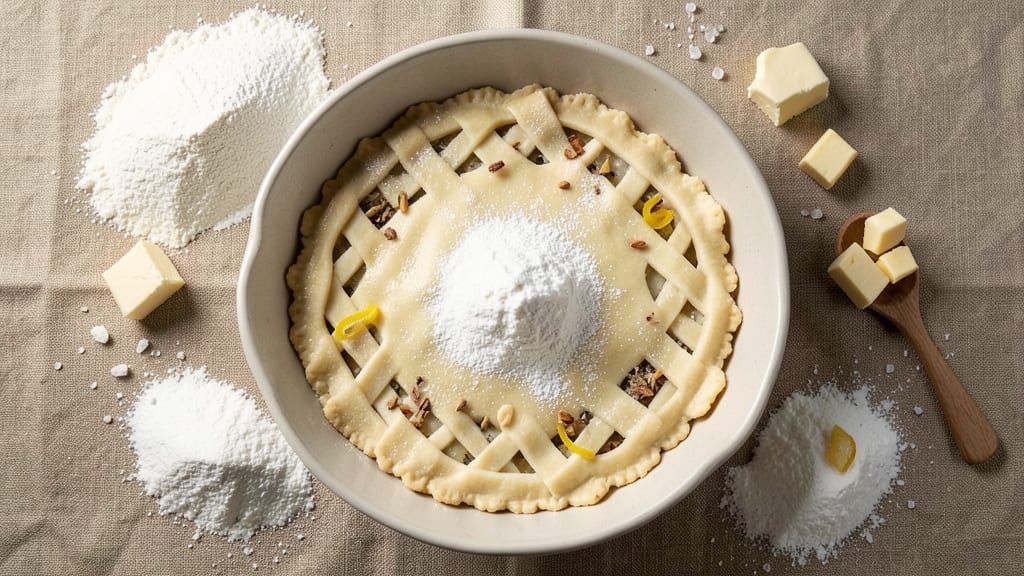
America's Test Kitchen vodka pie crust recipe transforms traditional pastry into something extraordinary—thanks to a simple but game-changing twist. The vodka isn’t just for flavor; it tenderizes the dough, creating layers so flaky they’ll make you question everything you thought you knew about pie crust. I’ve perfected this method over years of baking, and the results speak for themselves.
What sets this crust apart is the vodka’s dual role: it breaks down gluten for a tender texture while adding a subtle depth that enhances both sweet and savory fillings. The secret lies in chilling the dough properly and handling it gently to preserve those delicate layers.
With just a few extra minutes of prep, you’ll achieve a crust that’s crisp yet tender, with a golden-brown finish that’s impossible to resist.
Whether you’re making a classic apple pie, a rich chicken pot pie, or something entirely new, this crust delivers restaurant-quality flakiness every time. The vodka’s influence is subtle but transformative—think of it as the silent partner that elevates your dessert from homemade to showstopper.
Ready to bake a crust that’ll impress even the most skeptical pie lovers?
Here’s the best part: the technique is straightforward, and the ingredients are simple—no fancy equipment required. Let’s get started on a crust that’s as foolproof as it is delicious.
Ingredients for america's test kitchen pie crust recipe with vodka
Nine essential ingredients transform ordinary pie crust into extraordinary flaky perfection with vodka's secret touch.
| Ingredient | Amount | Notes |
|---|---|---|
| All-Purpose Flour 🌾 | 2 ½ cups | Sifted for lighter texture |
| Unsalted Butter 🧈 | 1 cup | Cold, cubed, European-style preferred |
| Granulated Sugar 🍚 | 1 tbsp | For subtle sweetness |
| Kosher Salt 🧂 | ½ tsp | Diamond Crystal preferred |
| Vodka 🍸 | ¼ cup | High-quality, 80-proof minimum |
| Ice Water 💧 | ¼ cup | Chilled for proper hydration |
| Large Egg Yolk 🥚 | 1 whole | For binding and richness |
| Yellow Cornmeal 🌽 | 1 tbsp | For dusting work surface |
| Large Egg 🥚 | 1 whole | For egg wash (optional) |
| Heavy Cream 🥛 | 1 tbsp | For egg wash (optional) |
| Ground Black Pepper 🌶️ | ¼ tsp | Freshly ground for subtle flavor |
The butter is non-negotiable here—European-style (like Plugrá or Kerrygold) has higher fat content for maximum flakiness. Grab it cold from the fridge, still wrapped in parchment. Trader Joe's and Whole Foods carry excellent options, or check the imported cheese section. The vodka? Smirnoff No. 21 or Belvedere work perfectly, but any 80-proof vodka will do. The key is keeping everything cold—pre-chill your mixing bowl and utensils too. Flour should be sifted through a fine-mesh strainer for that signature lightness. I always measure by scooping flour into the cup and leveling it off—don't pack it down.
No vodka? Cold apple cider works in a pinch, though the flavor will differ slightly. Short on butter? Shortening like Crisco gives similar flakiness, though with a slightly different mouthfeel. The egg yolk is essential for binding—don't substitute with just egg white. For the egg wash, I prefer heavy cream to egg alone for extra shine. Diamond Crystal kosher salt
This dough is delicate—handle it like you're working with glass. Wrap it tightly in plastic wrap and refrigerate for at least 2 hours (overnight is ideal). For extra flakiness, freeze the dough between parchment paper for 30 minutes before rolling. The crust keeps in the fridge for 3 days and freezes beautifully for 3 months. I always bake my crusts directly on the baking sheet—no need for a pie dish. The secret to golden perfection? Brush with the egg wash twice, once before baking and once after the first 15 minutes.
Why You'll Love This Recipe
- No-Fuss Assembly: I swear, this crust comes together faster than my willpower to resist dessert. Just toss in the flour, cut in the cold butter with a pastry cutter (or two forks—no judgment), then splash in that vodka. It’s like magic: the alcohol dissolves the gluten, so you skip the tedious kneading entirely.
- Buttery Crisp Edge: That vodka’s not just for flavor—it’s the secret to a crust so tender it melts in your mouth while staying flaky as heck. The sugar caramelizes just enough to give it that golden, crackly edge, but don’t worry, it won’t taste sweet. (Yes, even my sugar-averse husband licks the bowl.)
- Weeknight to Holiday: This crust is my go-to for everything from apple pie to a lazy weekend breakfast quiche. Freeze half the dough in balls for later—thaw, roll, bake—and suddenly you’ve got a backup for Thanksgiving or a last-minute potluck. (Pro tip: the vodka smell burns off completely.)
- Pantry Staple Upgrade: Honestly, you’re already buying these ingredients. The butter, flour, sugar—this just adds vodka, which you might already have. If not, a cheap bottle lasts forever, and the cost per crust? Ridiculously low. It’s like getting a gourmet crust for the price of a takeout coffee.
Step-by-step instructions for america's Test Kitchen vodka pie crust
This vodka-infused crust delivers legendary flakiness with a buttery aroma that sets it apart.
Prepare the Dough with Cold Ingredients
In a large mixing bowl, combine the 2.5 cups all-purpose flour, 1 tablespoon granulated sugar, and 0.5 teaspoon kosher salt. Whisk together until evenly distributed - you're creating a homogenous base before adding fats. The sugar and salt dissolve into the flour, ensuring even flavor distribution throughout the crust.
Cut the 1 cup unsalted butter into ¼-inch cubes and place them in the freezer for 10 minutes to firm up. This chilling step is crucial - cold butter creates steam pockets during baking, which are the secret to that signature flakiness. Once chilled, add the butter cubes to the flour mixture and use a pastry cutter or your fingers to work them into the flour until the mixture resembles coarse crumbs with some pea-sized butter pieces remaining.
Here's where the vodka comes into play: add the ¼ cup vodka and ¼ cup ice water to the mixture. The vodka's high-proof alcohol content helps create steam during baking, while the ice water ensures proper hydration without making the dough too sticky. Mix gently with a fork until the dough just comes together - it should hold its shape when pressed but still feel slightly dry. If it's too crumbly, add 1 teaspoon ice water; if too sticky, add 1 teaspoon flour.
Form and Chill the Dough
Turn the dough onto a lightly floured surface and gently shape it into a 1-inch thick disk. Wrap it tightly in plastic wrap and refrigerate for at least 2 hours or up to 2 days. This resting period allows the gluten to relax and the butter to firm up, which is essential for achieving those delicate, separated layers when baked.
I like to press the dough flat before wrapping to ensure even thickness. The cold temperature is what prevents the butter from melting during this time. If you're in a hurry, you can speed up the chilling process by placing the wrapped dough on a baking sheet and freezing for 30 minutes, then completing the remaining time in the fridge.
During this chilling time, prepare your work surface by sprinkling 1 tablespoon yellow cornmeal evenly across it. The cornmeal prevents sticking and provides a stable surface for rolling. This step is particularly important when working with vodka-infused dough, which can be slightly more adhesive than traditional crusts.
Roll and Fit the Crust
Remove the chilled dough from the refrigerator and place it on the cornmeal-dusted surface. Roll it out to a 12-inch circle that's about ⅛-inch thick, keeping the center slightly thicker than the edges. This creates a classic pie crust shape with a slightly raised center that will yield a flaky, golden-brown edge.
Gently transfer the rolled crust to a 9-inch pie dish by carefully lifting and centering it. The crust should fit snugly in the dish but not tear. If it's too large, gently trim the edges with a sharp knife, leaving about ½-inch overhang. For extra flakiness, I like to use my fingers to create small pleats around the edges before pressing them into the pie dish.
Here's a pro tip: if the crust starts to shrink back, simply press it down gently with your fingertips. The vodka helps maintain some flexibility, but you'll still need to handle it with care. Once fitted, prick the bottom and sides of the crust all over with a fork to prevent air bubbles from forming during baking.
Blind Bake for Perfect Texture
Preheat your oven to 375°F while the crust bakes. Line the fitted crust with parchment paper and fill it completely with pie weights or dried beans. Bake for 15 minutes, then remove the weights and bake for another 10-12 minutes until the edges are golden brown and the bottom is lightly browned.
The vodka in this crust creates steam that helps prevent soggy bottoms, but we still need to blind bake to ensure proper structure. Watch the edges carefully - they should be golden but not dark brown. If they brown too quickly, tent the crust with aluminum foil to prevent over-browning while the center finishes baking.
For that signature finish, brush the baked crust with a mixture of 1 whole egg, 1 tablespoon heavy cream, and ¼ teaspoon ground black pepper beaten together. This egg wash adds shine and enhances the buttery aroma. Bake for an additional 3-5 minutes until the wash is set but still slightly glossy. The pepper adds a subtle warmth that pairs beautifully with sweet fillings.
Pro Tips For Making America'S Test Kitchen Pie Crust Recipe With Vodka
- Chill the Butter Hard: I used to eyeball this, but the recipe calls for cold butter—like, solid enough to hold its shape but still pliable. Pop it in the freezer for 15–20 minutes before cutting, or your crust will turn out greasy and tough. (Yes, even if you’re impatient like me.)
- Dry the Flour First: Skip the sifting—just whisk the flour, sugar, and salt together in the bowl. Then, rub the cold butter cubes into the dry mix with your fingertips until pea-sized crumbs form. This keeps the texture light and avoids overworking the dough, which makes for a flaky crust.
- Use Ice Water for Vodka: The vodka in this recipe isn’t just for flavor—it’s the shortcut to tender layers. Mix it with 1–2 tablespoons of ice water (not cold tap) before adding to the dough. The cold liquid prevents the butter from melting too fast, so the layers stay crisp.
- Rest the Dough Twice: First, chill the dough for 30 minutes after mixing—this is non-negotiable. Then, after rolling it out, wrap it tightly and refrigerate another 15–20 minutes before transferring to your pie dish. This prevents shrinking and guarantees a clean, even edge. (Your future self will thank you.)
Wine and beer pairings for these flavors
Sweet Fillings
This vodka-infused crust shines with classic apple pie—the vodka’s subtle depth complements the tartness of Granny Smith apples perfectly. I recommend using 2 cups peeled, sliced apples (about 4 medium apples) tossed with ¼ cup brown sugar, 2 tbsp lemon juice, and 1 tsp cinnamon.
The vodka’s alcohol content helps tenderize the fruit while baking, creating a juicy yet firm filling. 🍏
For a peach pie variation, swap apples for 4 ripe peaches sliced and arranged in a single layer. Add 3 tbsp apricot jam to the bottom of the crust before filling to prevent sticking. The vodka’s buttery aroma enhances the peaches’ natural sweetness, creating a balance that’s hard to resist.
Savory Fillings
A chicken pot pie becomes extraordinary with this crust. Use 2 cups cooked chicken, ½ cup heavy cream, 1 cup mixed vegetables (carrots, peas, corn), and 1 tsp thyme.
The vodka’s subtle flavor doesn’t overpower the savory filling but adds a delicate complexity that elevates the dish. Serve with a dollop of crème fraîche for extra richness. 🍗
For a spinach and ricotta pie, mix 10 oz frozen spinach (thawed and drained), 1 cup ricotta, 1 egg, and ½ cup grated Parmesan. The vodka’s buttery notes harmonize with the creamy filling, creating a crust that’s both sturdy and delicate enough for rich, cheesy fillings.
Wine Pairings
A dry Riesling from Germany is my go-to for sweet pies like apple or peach. The wine’s crisp acidity cuts through the richness of the crust and balances the fruit’s sweetness. Look for a Kabinett-level Riesling—it’s light enough to complement without overpowering. 🍷
For savory pies, a Pinot Noir from Oregon offers a smooth, earthy contrast. The wine’s subtle tannins pair beautifully with the crust’s buttery layers, while its bright acidity cleanses the palate between bites. I love Domaine Serene or La Crema for this purpose.
Beer Pairings
A Belgian witbier like Hoegaarden works wonders with sweet pies. The beer’s citrusy notes and slight spice from coriander enhance the crust’s buttery aroma and the fruit’s natural sweetness. The vodka’s influence in the crust adds a subtle depth that the beer’s effervescence brings out. 🍺
For savory pies, a German Helles lager (like Weihenstephaner) provides a crisp, clean finish. The beer’s malty sweetness complements the crust’s richness without competing, making each bite of the pie more enjoyable. The vodka’s subtle warmth in the crust pairs beautifully with the lager’s smooth, refreshing profile.
Nutrition facts
Frequently asked questions
Why does vodka make pie crust flakier?
The vodka's high-proof alcohol content creates steam during baking, which separates the layers of butter and creates those signature flaky pockets. Additionally, it tenderizes the gluten structure, preventing a tough texture while keeping the dough workable. Think of it as a natural leavening agent that works silently in the background!
Can I substitute vodka with another liquid?
You can use cold apple cider or white wine in a pinch, but the flavor will differ slightly. For best results, stick with vodka—its neutral taste and high alcohol content are key to achieving that signature flakiness. If you're avoiding alcohol completely, try ice water (reduce by 1 tablespoon) and add 1 teaspoon lemon juice for acidity.
How do I prevent the crust from shrinking when baking?
Keep everything cold—chill the dough thoroughly and work quickly when rolling. Press the crust gently into the pie dish, leaving a ½-inch overhang, and blind bake it first. The vodka helps maintain flexibility, but avoid overhandling. If it shrinks slightly, just press it down gently with your fingertips before baking. Patience is key!
Can I make this crust ahead of time?
This dough keeps in the fridge for 3 days or freezes beautifully for 3 months. Wrap it tightly in plastic wrap and thaw overnight in the fridge before using. For extra flakiness, freeze the dough between parchment paper for 30 minutes before rolling. The longer it rests, the better the texture!
What's the best way to store leftover crust?
Store baked crusts at room temperature in an airtight container for up to 2 days. For longer storage, wrap tightly in plastic and freeze for up to 3 months. To reheat, place the crust on a baking sheet and warm in a 350°F oven for 5-10 minutes until crispy again. Perfect for topping soups or desserts later!