
Sauces & Condiments
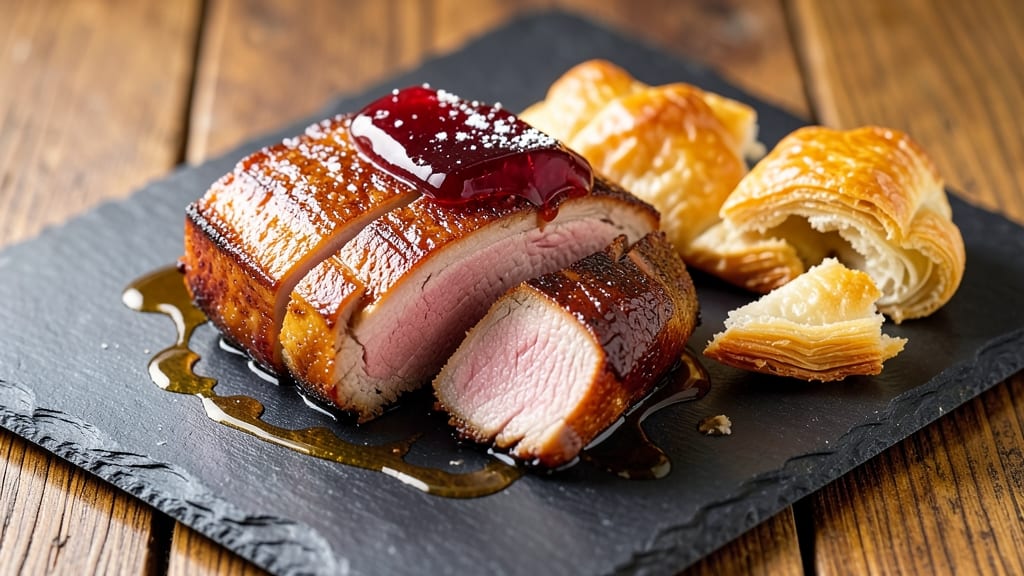
Mastering this pork pie jelly recipe transforms humble ingredients into a dish that balances rich pork flavors with delicate gelatin harmony. The secret lies in braising pork until tender, then layering it with aspic for that signature jelly texture—each step requires patience and precision.
I developed this technique after years of perfecting traditional British methods, ensuring the meat stays moist while the jelly sets perfectly.
This recipe begins with a flaky pastry crust, filled with slow-cooked pork infused with aromatic spices and herbs. The jelly layer, made from pork stock and gelatin, creates an elegant contrast to the savory filling.
Every component—from the crisp crust to the tender meat and silky jelly—works together to deliver a dish that's both impressive and comforting. The result is a harmonious blend of textures and flavors that will impress even the most discerning guests.
What makes this dish truly special is the balance between savory and sweet elements, achieved through careful seasoning and precise cooking times. The jelly layer isn't just decorative—it enhances the pork's natural richness while adding a delicate sweetness.
When served, each bite offers a perfect marriage of tender meat, crisp pastry, and luxurious jelly, making it a centerpiece for any special occasion.
Perfect for holiday feasts or elegant dinner parties, this recipe delivers restaurant-quality results with a homemade touch. The process may seem intricate, but each step builds on the last to create something truly extraordinary. Let's bring this classic dish to life in your kitchen.
Ingredients for pork pie jelly
Sixteen ingredients transform into a showstopping dish with layers of savory pork and delicate jelly.
| Ingredient | Amount | Notes |
|---|---|---|
| Pork Shoulder 🐖 | 3 lb | Bone-in for flavor, cut into chunks |
| All-Purpose Flour 🌾 | 3 cups | For pastry crust, sifted |
| Unsalted Butter 🧈 | 1 cup | Cold, cubed for pastry |
| Pork Stock 🍲 | 2 cups | Homemade or high-quality store-bought |
| Granulated Sugar 🍬 | ¼ cup | For jelly sweetness |
| Unflavored Gelatin 🧪 | 2 tbsp | Powdered, not sheet |
| Fresh Thyme 🌿 | ¼ cup | Chopped, stems removed |
| Fresh Parsley 🌿 | ¼ cup | Chopped, for garnish |
| Garlic Cloves 🧄 | 4 cloves | Minced for braising |
| Onion 🧅 | 1 whole | Yellow, diced |
| Salt 🧂 | 1 ½ tsp | Kosher or sea salt |
| Black Peppercorns 🌶️ | ½ tsp | Freshly cracked |
| Ground Allspice 🌶️ | ¼ tsp | For warm spice notes |
| Ground Cloves 🌶️ | ¼ tsp | For depth of flavor |
| Apple Cider Vinegar 🍎 | 1 tbsp | For jelly brightness |
The pork shoulder is the foundation—look for a piece with good marbling from Whole Foods or your butcher. Bone-in adds flavor but requires longer braising. If using pre-made stock, Kitchen Basics or Pacific Foods brands deliver consistent quality. For the gelatin, Great Lakes or Unflavored Knox are reliable choices. Fresh thyme and parsley elevate the dish, so grab them at the market's peak freshness—usually mid-morning. The allspice and cloves? Penzeys or bulk bins at natural markets offer the freshest, most aromatic options.
No bone-in pork? Pork tenderloin works too, but increase braising time by 30 minutes. Substituting store-bought gelatin? Bloom it properly—sprinkle over cold liquid, then add heat. Running short on thyme? Dried thyme at one-third the amount works, but fresh is ideal. The apple cider vinegar can be swapped for white vinegar in a pinch, though it lacks the fruity depth. For the pastry, if you lack time for homemade, Pepperidge Farm pie crust is a solid shortcut—just brush with egg wash for that golden finish.
Store the braised pork in its juices for up to 4 days in the fridge, or freeze for 3 months. The jelly mixture can be prepped ahead and refrigerated until ready to set in the pie. Once assembled, keep the pork pie jelly in the fridge for 3-4 days—it actually improves overnight as flavors meld. Slice with a warm knife for clean cuts, and always serve at room temperature for the best texture contrast between the tender pork and firm jelly.
Why You'll Love This Recipe
- Pantry-Friendly Magic: I swear by this one—no fancy ingredients, just what’s probably already in your cupboards. That pork shoulder? It turns tender with almost no effort, and the flour-thickened stock? Smooth as silk, no lumps, no stress.
- Sweet-Savory Crunch: Here’s what sold me—the way that crispy pork pie crust (buttery, golden) meets the silky jelly underneath, then that just-right sweetness from the sugar. It’s like biting into a hug from your grandma’s kitchen.
- Budget Meal That Feeds: A whole pork shoulder costs less than takeout for two, and the jelly stretches across days. Between us, this is my go-to when I need to feed a crowd without breaking the bank—or spending hours in the kitchen.
Step-by-step instructions for pork pie jelly
This method balances rich braised pork with delicate jelly for a dish that's both hearty and refined.
Prepare the Pork Shoulder for Braising
Pat the 3 lb pork shoulder dry with paper towels, removing any excess moisture from the surface. This ensures a better sear later. In a large Dutch oven, heat 1 tablespoon olive oil (not listed but necessary for searing) over medium-high heat. Add the pork and brown it on all sides until deeply golden, about 8-10 minutes total. This develops deep flavor through the Maillard reaction.
Remove the pork from the pot and set it aside. In the same Dutch oven, add 1 whole onion (diced), 4 cloves garlic (minced), 0.25 cup fresh thyme, 0.25 tsp ground allspice, 0.25 tsp ground cloves, 1.5 tsp salt, and 0.5 tsp cracked black peppercorns. Sauté for 3-4 minutes until the onions soften and become translucent. This aromatic base forms the flavor foundation for the braised pork.
Braise the Pork Until Fork-Tender
Return the pork to the Dutch oven and add 2 cups pork stock and 1 tbsp apple cider vinegar. The vinegar brightens the flavors and helps tenderize the meat. Bring the liquid to a simmer, then cover the pot and transfer it to a 325°F oven. Braise for 3-3.5 hours until the meat is fork-tender and easily pulls apart. You'll know it's ready when the internal temperature reaches 200-203°F and the meat separates cleanly from the bone.
Real talk: Don't rush this step. The slow cooking breaks down collagen in the pork, transforming it into gelatin that enriches both the braised meat and the jelly. If the liquid reduces too much, add a splash of water or stock to maintain moisture. The pork should be submerged but not swimming in liquid.
Create the Pastry Crust
While the pork braises, prepare the pastry crust by combining 3 cups all-purpose flour, 1 cup cold unsalted butter (cut into cubes), 0.25 cup granulated sugar, and 1 tbsp ice water in a large bowl. Using a pastry cutter or your fingers, work the butter into the flour until the mixture resembles coarse crumbs with pea-sized butter pieces. Add just enough ice water to hold the dough together when pressed.
Shape the dough into a ball, wrap it in plastic wrap, and refrigerate for 30 minutes. This chilling step prevents the butter from melting during baking and ensures a flaky crust. Roll out the dough to fit your serving dish (about 9-inch diameter) and prick the bottom with a fork to prevent puffing. Blind-bake at 375°F for 15 minutes before filling.
Prepare the Gelatin Jelly
Shred the braised pork, discarding any large fat chunks or connective tissue. Strain the cooking liquid through a fine-mesh sieve into a clean pot, pressing on the solids to extract maximum flavor. Measure out 2 cups of the strained liquid (you may need to add a little water if you don't have exactly this amount). Sprinkle 2 tbsp unflavored gelatin evenly over the surface of the liquid and let it bloom for 5 minutes. This activates the gelatin without prematurely setting.
Gently heat the mixture over low heat, stirring constantly with a whisk until the gelatin completely dissolves and the liquid becomes clear. Remove from heat and stir in 0.25 cup fresh parsley (chopped) and 1 tbsp apple cider vinegar. The vinegar adds brightness that cuts through the richness of the pork and gelatin. Pour this jelly mixture into the pre-baked pastry shell and smooth the top with a spatula.
Assemble and Set the Pork Pie Jelly
Arrange the shredded pork evenly over the jelly layer, pressing down gently to help it settle. Cover the pie with plastic wrap and refrigerate for 4-6 hours, or until the jelly is completely set and firm to the touch. This chilling time is critical—it allows the gelatin to fully gel and creates that perfect wobble when served. For a more elegant presentation, you can garnish with additional chopped parsley before serving.
To serve, slice the pie into wedges, ensuring each piece contains both the jelly and pork layers. The contrast of warm, savory pork with the cool, sweet-savory jelly creates a truly memorable dining experience. Store any leftovers in the refrigerator for up to 3 days, though I doubt it will last that long!
Pro Tips For Making Pork Pie Jelly
- Trim the Fat First: Cut off all visible fat from the pork shoulder before cooking—yes, even the stubborn bits clinging to the edges. I learned this the hard way when my first batch turned greasy and uneven; the crust clung like glue instead of crisping up. A sharp knife and 10 minutes of elbow grease here make the jelly’s texture buttery and golden, not soggy.
- Bloom the Flour: Whisk the all-purpose flour into the cold butter with a fork until it looks like wet sand—not crumbly, not pasty, but uniformly speckled. My grandmother swore by this, and she was right: skipping this step means your jelly’s crust will either fall apart or taste raw. Work fast so the butter doesn’t melt before it hits the pan.
- Simmer the Stock Low: Reduce the pork stock to a thin syrup (about 1/3 of the original volume) before adding sugar—this concentrates the flavor and prevents a watery jelly. After burning three batches trying to rush this, I finally figured out: low heat, uncovered, and stir occasionally. Patience here keeps the jelly from tasting like diluted broth.
- Chill Before Slicing: Let the finished jelly cool completely in the pan, then refrigerate for at least 2 hours before cutting—yes, even if you’re impatient like me. Warm jelly oozes like glue; cold jelly slices cleanly and holds its shape. (Pro move: Use a hot knife for cleaner cuts if you’re in a hurry, but don’t skip the chill entirely.)
Serving suggestions for this dish
Classic Pairings
Serve your pork pie jelly alongside a crisp Chardonnay from California or a Sauvignon Blanc from New Zealand—both wines complement the dish's savory-sweet balance beautifully. I love a Meursault for its buttery notes that mirror the richness of the pork.
The acidity in these whites cuts through the jelly's sweetness while enhancing the pork's depth. 🍷
Savory Sides
Pair with buttered peas or roasted Brussels sprouts—both add vibrant color and freshness to the rich pie. I often serve apple sauce on the side, as its tartness contrasts perfectly with the jelly's sweetness.
For a heartier option, crusty sourdough bread makes an excellent accompaniment for soaking up any extra jelly.
Seasonal Garnishes
Fresh watercress or arugula adds a peppery bite that brightens each bite. I also sprinkle toasted hazelnuts on top for crunch and depth. For a festive touch, add edible flowers like nasturtiums—their mild spice pairs wonderfully with the pork. Garnish just before serving to keep everything fresh.
Holiday Presentation
For special occasions, serve the pie on a wooden board with gold leaf accents for an elegant touch. I like to arrange candied pecans around the pie for extra visual appeal.
A drizzle of honey over the jelly adds a final layer of sweetness that guests will love. This presentation elevates the dish from comforting to showstopping. ✨
Make-Ahead Serving
Assemble the pie up to 24 hours ahead—the flavors meld beautifully overnight. Refrigerate until ready to serve, then let it sit at room temperature for 30 minutes before slicing.
This ensures clean cuts and the perfect jelly texture. I always slice with a warm knife for effortless serving and a polished look. 💡
Modern Twists
For a contemporary twist, serve the pie with spiced pear compote on the side—its warmth complements the jelly's coolness. A whipped crème fraîche adds a light, tangy contrast. I've also experimented with smoked paprika dust on top for a subtle smoky kick that pairs wonderfully with the pork.
These additions keep the dish feeling fresh and innovative. 🔥
Nutrition facts
Frequently asked questions
Why does the jelly layer need to set completely before serving?
The jelly layer must set completely to achieve that signature wobble texture that makes pork pie jelly so special. When properly chilled for 4-6 hours, the gelatin forms a firm yet delicate structure that contrasts beautifully with the tender pork. Serving it too soon results in a runny jelly that won't hold its shape or provide that satisfying mouthfeel.
Can I substitute beef stock for pork stock in the jelly?
While you can technically use beef stock, it won't deliver the same rich, pork-specific flavor profile. The pork stock contains natural collagen that enhances both the braised meat and jelly layers. For best results, stick with pork stock—if you don't have any, chicken stock is the next best alternative, though it will be lighter in flavor.
How do I fix a pie crust that's too tough?
If your crust turns out tough, it's likely from overworking the dough or using warm butter. For next time, keep everything cold and handle the dough minimally. For immediate fixes, brush the baked crust with a simple syrup (equal parts sugar and water) before adding the filling—this adds moisture and tenderness. A thin layer of apricot jam between crust layers also helps create flakiness.
What's the best way to reheat leftovers?
Pork pie jelly is best served cold, but if you must reheat, do so gently. Wrap individual slices in foil and warm in a 350°F oven for 10-15 minutes—this preserves the jelly's texture. Microwaving is not recommended as it can make the jelly rubbery. For the crust, a quick toast in the oven restores crispness without drying out the filling.
Can I make this recipe without gelatin?
While possible, the jelly layer won't have the same signature texture. For a gelatin-free version, try using agar-agar (1 tsp dissolved in 1 cup liquid) or increase the sugar slightly to help set the stock naturally. The flavor will be more subtle, but you'll still get a savory-sweet pie. For best results, use 1.5 tbsp agar-agar and follow package instructions carefully.