
Desserts
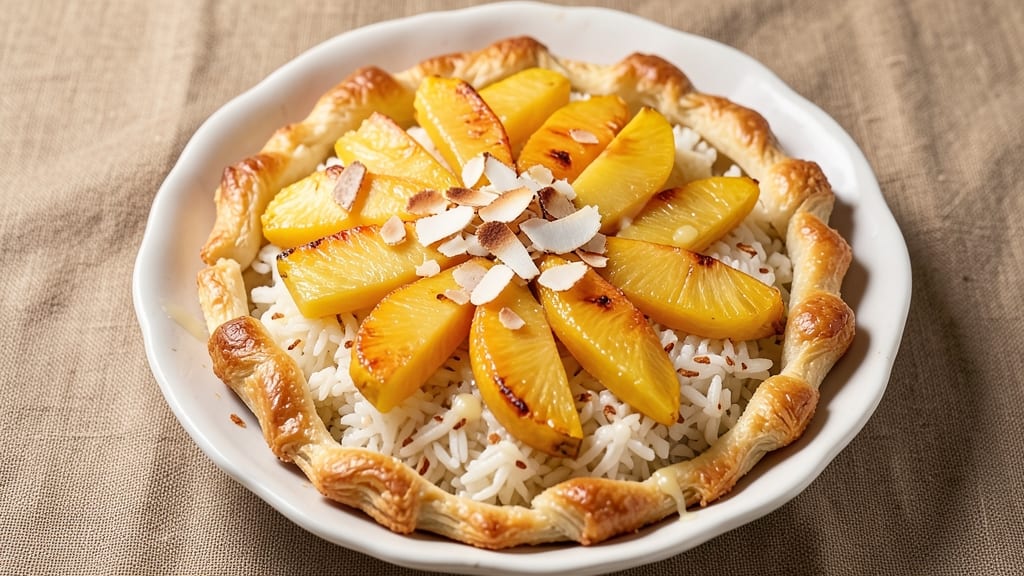
This rice pie recipe with pineapple delivers a perfect balance of tropical sweetness and creamy coconut—every bite is a vacation in dessert form. The secret lies in the buttery coconut crust, which encases a fragrant filling of pineapple-infused rice and a touch of cinnamon for warmth.
I've perfected this recipe after years of baking, and it never fails to impress, whether served at holiday gatherings or as a special treat for loved ones.
The filling starts with long-grain rice cooked in coconut milk, giving it a delicate texture that soaks up the juices from fresh pineapple and a hint of vanilla. The crust, made with a blend of coconut and all-purpose flour, creates a golden, flaky shell that holds together beautifully.
Baking at 350°F for 45-50 minutes ensures a crisp exterior and a tender, flavorful center that melts in your mouth.
What makes this recipe truly special is how the flavors come together—sweet pineapple brightens the coconut, while the cinnamon adds depth without overpowering. The result is a dessert that's rich yet light, perfect for sharing or enjoying solo.
Whether you're baking for a celebration or just craving something indulgent, this pie delivers every time.
For extra flair, garnish with toasted coconut flakes or a drizzle of caramelized pineapple syrup. The possibilities are endless, but the foundation remains the same: a tropical escape in every slice. Let's get started on creating this showstopper!
Ingredients for rice pie recipe with pineapple
Tropical flavors meet buttery perfection—just 12 ingredients for a showstopping coconut-crusted pineapple rice pie.
| Ingredient | Amount | Notes |
|---|---|---|
| Long-Grain White Rice 🍚 | 2 cups | Uncooked, jasmine or basmati preferred |
| Coconut Milk 🥥 | 13 ½ oz | Full-fat, canned (not carton) |
| Fresh Pineapple 🍍 | 1 ½ cups | Diced, fresh or canned (no syrup) |
| Unsalted Butter 🧈 | ½ cup | Cold, cubed for crust |
| All-Purpose Flour 🌾 | 1 ½ cups | Plus 2 tbsp for dusting |
| Coconut Flakes 🥥 | ½ cup | Toasted, for crust texture |
| Granulated Sugar 🍚 | ¾ cup | For crust sweetness |
| Ground Cinnamon 🌿 | 1 tsp | Plus extra for filling |
| Vanilla Extract 🍯 | 1 tsp | Pure, for filling aroma |
| Large Eggs 🥚 | 2 whole | Room temperature for crust |
| Salt 🧂 | ½ tsp | Fine sea salt preferred |
| Lemon Zest 🍋 | 1 tbsp | Brightens pineapple flavor |
The coconut milk is non-negotiable—full-fat canned gives that rich, creamy texture. Thai Kitchen or Goya brands are reliable, but check the first ingredient is coconut cream (not water). Fresh pineapple is ideal, but crushed pineapple in juice works in a pinch—just drain well. For the crust, unsalted butter is key; salted can make the crust taste flat. Toast your coconut flakes first—they'll add that irresistible crunch to the crust, and Trader Joe's sells pre-toasted ones if you're short on time.
No coconut milk? Heavy cream plus 1 tbsp coconut oil mimics the richness, though the flavor won't be identical. Running short on pineapple? Mango purée works beautifully, but reduce the sugar slightly. For a gluten-free version, swap the all-purpose flour for a 1:1 gluten-free blend—just add an extra ½ tsp xanthan gum if your blend doesn't include it. The eggs must be room temperature for the crust to emulsify properly; if they're cold, the crust will crack. And if you're feeling fancy, add ½ tsp cardamom to the filling for an exotic twist.
This pie keeps beautifully—3 days at room temperature wrapped tightly, or 1 week refrigerated. For best texture, serve at room temperature. Reheat slices in a 350°F oven for 5-7 minutes if they've been chilled. The crust freezes well too—wrap individually and freeze for up to 3 months. I always make two pies when company's coming; the second one disappears just as fast as the first.
Why You'll Love This Recipe
- No-Fuss Baking: I swear by this recipe when I forget to check my pantry—just rice, coconut milk, and a handful of flour. No yeast, no waiting for dough to rise, no stress. The butter and pineapple handle all the flavor work while you mix.
- Sweet-Savory Magic: That first bite? Warm, buttery rice with juicy pineapple chunks melting into the coconut cream—it’s like a hug for your taste buds. Honestly, the flour crust adds this crispy contrast that makes it feel fancy without extra effort.
- Potluck Star: Bring this to a gathering and watch it disappear. It’s hearty enough for a main dish but light enough for dessert, and the pineapple keeps it from feeling too heavy. (Yes, even on a Tuesday night.)
- Budget Leftovers Win: A single pie costs me pennies but feeds four—plus reheats beautifully. The coconut milk adds richness without breaking the bank, and the rice stretches further than you’d think. My freezer’s full of these, honestly.
Step-by-step instructions for tropical coconut rice pie
Here's how to create a golden coconut crust filled with fragrant pineapple rice—simple steps for perfect results.
Prepare the Coconut Crust Dough
In a large mixing bowl, combine the 1.5 cups all-purpose flour, 0.5 cup granulated sugar, 1 tsp ground cinnamon, and 0.5 tsp salt. Whisk until evenly distributed—you want no flour streaks remaining. Cut in the 0.5 cup unsalted butter using a pastry cutter or your fingers until the mixture resembles coarse crumbs with pea-sized butter pieces still visible.
Add the 2 whole large eggs and mix until the dough begins to come together. Press the dough into a flat disc, wrap in plastic wrap, and refrigerate for 30 minutes. This chilling step is crucial—it prevents the crust from shrinking during baking and helps achieve that signature crispy texture. While it rests, preheat your oven to 350°F and grease a 9-inch pie dish lightly with coconut oil.
Assemble the Pineapple Filling
In a medium saucepan, combine the 2 cups long-grain white rice with 13.5 oz coconut milk and bring to a boil over medium-high heat. Once boiling, reduce heat to low, cover with a tight-fitting lid, and simmer for 15 minutes. You'll notice the rice absorbs the coconut milk gradually—don't peek or stir, as this disrupts the even cooking process.
After 15 minutes, stir in the 1.5 cups fresh pineapple, 1 tbsp lemon zest, 1 tsp vanilla extract, and an additional ½ tsp ground cinnamon. Mix gently to distribute the pineapple evenly. Let the filling cool completely before assembling—this prevents the crust from getting soggy when you add it later. The cooled filling should have a slightly sticky consistency but remain firm enough to hold its shape.
Roll and Line the Crust
Remove the chilled dough from the refrigerator and roll it out on a lightly floured surface to fit your 9-inch pie dish. I like to use a rolling pin, but if the dough resists, let it warm slightly at room temperature for 5 minutes—just enough to soften without losing its structure. Press the dough gently into the pie dish, trimming any excess that hangs over the edges.
Pre-bake the crust for 12-15 minutes at 350°F until it's just beginning to turn golden around the edges. This partial baking, called blind baking, ensures the crust holds its shape and doesn't soften when the filling is added. Line the hot crust with a sheet of parchment paper, fill it with pie weights or dried beans, and bake for another 5 minutes to prevent puffing. Remove the weights and parchment, then return the crust to the oven for 2-3 minutes to crisp the edges.
Fill and Bake to Perfection
Pour the cooled pineapple filling into the pre-baked crust, spreading it evenly to the edges. Sprinkle the 0.5 cup toasted coconut flakes evenly over the top for added texture and flavor. Bake at 350°F for 35-40 minutes, until the filling is set and the coconut flakes are lightly golden. The center should jiggle slightly when shaken, but the edges should be firm.
Let the pie cool completely in the pan for 1 hour before slicing. This resting period allows the filling to firm up and prevents it from crumbling when you serve it. The contrast between the crisp coconut crust and the creamy pineapple filling makes every bite irresistible. Serve warm or at room temperature for the best texture and flavor balance.
Pro Tips For Making Rice Pie Recipe With Pineapple
- TOAST THE RICE FIRST: Cook your long-grain rice in butter (not oil) until it’s golden and smells nutty—about 3-4 minutes on medium heat. This step deepens the flavor and prevents that bland, starchy taste that ruins so many rice pies. (Yes, it’s extra work, but trust me, your pie will taste like it came from a bakery.)
- USE CHILLED COCONUT MILK: Refrigerate your coconut milk overnight before using it in the batter. The cream will thicken and separate, letting you scoop out the rich, solid fat for a velvety texture. Skim off the thin watery layer—it’s the difference between a dense pie and a soggy one.
- DON’T OVERMIX THE BATTER: Once you fold in the pineapple and rice, stir just until combined—lumpy is better. Overworking the batter introduces too much air, which makes the pie dense and gummy instead of light. Think "rustic," not "perfectly smooth."
- BAKE LOW AND SLOW: Set your oven to 325°F (not 350°F) and bake the pie for the full recommended time. The lower heat ensures the center sets evenly without burning the top before the middle cooks. I learned this after cutting into a pie that was crispy outside and raw inside—annoying, but avoidable.
Wine and beer pairings for these flavors
Tropical White Wine
For this vibrant rice pie, a dry Riesling or Sauvignon Blanc from New Zealand is my go-to choice. The crisp acidity and citrus notes in these wines complement the pineapple beautifully, while their slight sweetness enhances the coconut flavors without overpowering.
I love Kim Crawford Sauvignon Blanc—it's bright, refreshing, and pairs perfectly with the tropical elements. Serve it slightly chilled at 45-50°F to let the flavors shine alongside each slice. 🍷
Light Beer Pairings
A light lager or wheat beer works wonderfully with this dessert. The clean, crisp profile of a Mexican lager like Modelo Especial or Pacifico balances the richness of the coconut crust and the sweetness of the pineapple.
For something with a bit more character, try a Belgian witbier like Hoegaarden—its coriander and orange peel notes add a refreshing contrast. Serve these beers well-chilled at 38-42°F to enhance the pie's tropical vibes. 🍺
Spiced Rum Cocktail
If you're looking for something stronger, a dark rum cocktail like a Spiced Rum Old Fashioned is a fantastic match. Mix 2 oz dark rum (I recommend Kraken Spiced Rum) with 1 tsp honey syrup, a dash of cinnamon, and a splash of orange juice.
The warm spices in the rum echo the cinnamon in the pie, while the honey adds a touch of sweetness that complements the tropical flavors. Serve over ice or neat for a sophisticated pairing. 💛
Creamy Dessert Wine
For a more indulgent pairing, a Moscato d'Asti or Late Harvest Riesling adds a luxurious touch. The slight sweetness and effervescence of Moscato enhance the coconut and pineapple, while the Late Harvest Riesling brings a richer, more complex flavor that stands up to the pie's depth.
Chill these wines to 40-45°F and sip them slowly to fully appreciate their harmony with the dessert. ✨
Non-Alcoholic Options
Don't overlook non-alcoholic pairings! A sparkling pineapple juice spritzer made with chilled pineapple juice and a splash of ginger ale mirrors the pie's flavors beautifully. For something warmer, try chai tea—its cinnamon and cardamom notes complement the pie's spices and coconut.
Serve the tea at 160-170°F to enhance its aromatic qualities. 🌿
Nutrition facts
Frequently asked questions
Can I use canned pineapple instead of fresh?
Yes, but drain it well to remove excess liquid. Canned pineapple in juice works best—avoid syrup versions as they'll make the filling too sweet. For every 1 cup of fresh pineapple, use 14.5 oz canned pineapple (drained)** and reduce the sugar in the crust by 1 tbsp to balance flavors.
Why is my coconut crust shrinking?
Most likely, the dough wasn't chilled long enough before rolling. Always refrigerate the dough for 30 minutes minimum—this prevents shrinkage. If it's already in the oven, try this trick: Sprinkle ice cubes around the edges of the pie dish before baking to create steam and help the crust expand.
Can I make this pie gluten-free?
Replace the all-purpose flour with a 1:1 gluten-free blend and add ½ tsp xanthan gum if your blend doesn't include it. For the crust, use gluten-free coconut flour (like Bob's Red Mill) mixed with ¼ cup almond flour for better texture. The filling stays exactly the same—just ensure your coconut milk is certified gluten-free.
How do I store leftovers?
Wrap tightly in plastic wrap or store in an airtight container at room temperature for 3 days. For longer storage, refrigerate for up to 1 week. To reheat, warm slices in a 350°F oven for 5-7 minutes until the edges are crisp again. The filling stays creamy when properly stored!
What's the secret to a perfect pineapple-rice texture?
Let the filling cool completely before adding it to the crust—this prevents a soggy bottom. Also, use long-grain white rice (jasmine or basmati) for its fluffy texture. For extra richness, stir in 1 tbsp unsalted butter with the pineapple when assembling the filling.