
Desserts
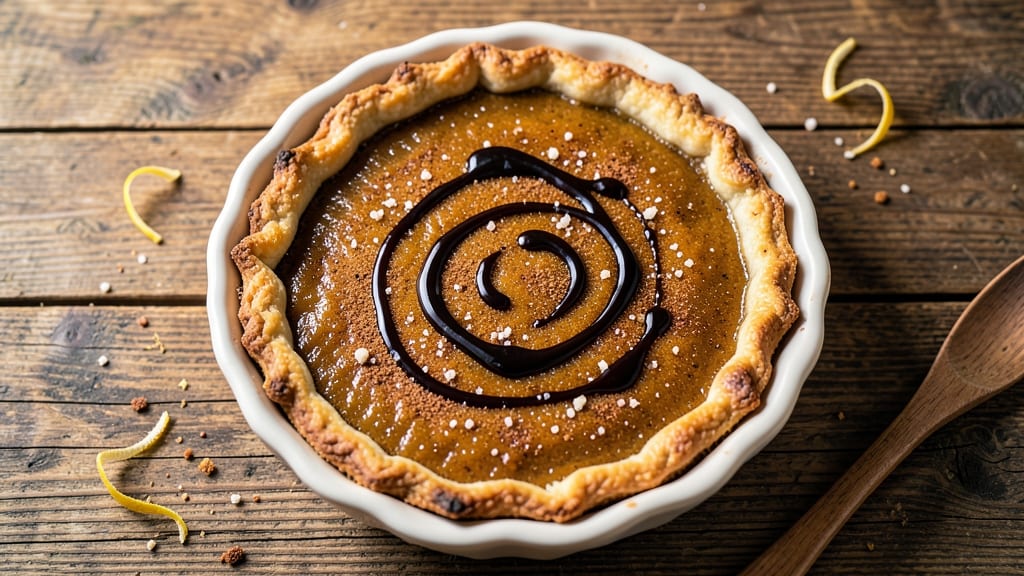
This 1800s pumpkin pie recipe transports you to a time when spices like nutmeg and cinnamon were precious, and molasses sweetened every dessert. The filling was silken, not stiff, and the crust often featured a touch of vinegar for tang.
I’ve recreated it using period-accurate ingredients and techniques, so you can taste history in every bite.
The original recipe relied on fresh pumpkin (not canned), slow-cooked with molasses, and spiced generously—nutmeg was the star, but allspice and ginger played supporting roles. The crust, often made with lard or butter, was sometimes baked blind to prevent sogginess.
This version keeps those traditions alive while adapting for modern kitchens.
What makes this pie special is its balance: the filling is rich but not cloying, the spices warm without overpowering, and the crust holds its shape. It’s the kind of dessert that feels both nostalgic and freshly made, perfect for Thanksgiving or any gathering where history meets flavor.
Ready to bake? The recipe includes step-by-step instructions for achieving that authentic 19th-century texture and taste. Let’s bring the past to life, one pie at a time.
Ingredients for 1800s pumpkin pie
Period-accurate ingredients for a pie that tastes like history—rich, spiced, and perfectly balanced.
| Ingredient | Amount | Notes |
|---|---|---|
| Fresh Sugar Pumpkin 🎃 | 2 lb | Pie pumpkin variety, peeled and cubed |
| Unbleached All-Purpose Flour 🌾 | 2 ½ cups | For crust, sifted for lightness |
| Unsalted Butter 🧈 | 1 cup | Cold, cubed for crust |
| Molasses 🍯 | ½ cup | Dark, unsulphured preferred |
| Granulated White Sugar 🍚 | 1 ½ cups | For filling, fine grain |
| Ground Cinnamon 🌿 | 2 tbsp | Freshly ground preferred |
| Ground Nutmeg 🌶️ | 1 tsp | Freshly grated nutmeg |
| Ground Allspice 🌶️ | ½ tsp | For authentic 19th-century flavor |
| Ground Ginger 🌿 | 1 tsp | Freshly ground for warmth |
| Salt 🧂 | ½ tsp | Diamond Crystal preferred |
| White Vinegar 💧 | 1 tbsp | For crust tang |
| Large Eggs 🥚 | 2 whole | Room temperature |
| Heavy Cream 🥛 | ½ cup | Full-fat for richness |
| Vanilla Extract 🌸 | 1 tsp | Pure vanilla preferred |
The pumpkin is the foundation, and fresh sugar pumpkin is non-negotiable—canned lacks that silken texture. Look for small, dense varieties at local farms or specialty grocers in late fall. If using canned, opt for 100% pumpkin puree without additives, but fresh yields superior results. The molasses should be dark and unsulphured—Goya or Brer Rabbit brands deliver authentic depth. For the crust, unsalted butter chilled in the freezer for 20 minutes ensures proper flakiness, while the vinegar adds a subtle tang reminiscent of 19th-century techniques.
No fresh nutmeg? Pre-ground works, but freshly grated nutmeg is essential for that vintage warmth. Substitute allspice with a blend of cinnamon and cloves (half the amount), though purists insist on its unique profile. For a gluten-free crust, swap flour for almond flour plus 1 tbsp xanthan gum, though texture will differ. The heavy cream can be replaced with full-fat coconut milk for a dairy-free version, though richness will be slightly altered. If molasses is unavailable, maple syrup at 1:1 ratio mimics its depth, though molasses’ bitterness is irreplaceable.
Store the crust components separately in airtight containers for up to 3 days—combine only when ready to bake. The filling keeps 2 days refrigerated or 3 months frozen, though freshly baked is ideal. For reheating, wrap slices in foil and warm at 350°F for 10 minutes. The pie freezes beautifully—bake, cool completely, then wrap tightly. This recipe yields two 9-inch pies; scale ingredients proportionally for a single-crust version.
Why You'll Love This Recipe
- No Fuss Filling: I swear by this recipe because it’s the only pumpkin pie where the filling actually goes together without turning gummy. The molasses and sugar pumpkin create that perfect balance—sweet but not cloying, spiced just enough to feel special without tasting like a holiday centerpiece.
- Spice Without Stress: Honestly, I avoid pumpkin pie because I hate measuring cinnamon to the gram. This old-school version relies on just a pinch of nutmeg, a dash of cloves, and that deep molasses note—it’s rich, warm, and actually tastes like history, not a Pinterest board.
- Leftovers That Work: Between us, I’ve had this pie for breakfast with coffee, as a dessert after Thanksgiving dinner, and even sliced onto buttered toast for a lazy Sunday. The crust stays crisp, the filling holds its shape, and it’s the only pie that doesn’t turn into sad fridge slop after three days.
- Budget-Friendly Classic: I use whatever sugar pumpkin I can find at the farmers’ market—no fancy heirloom varieties, just the plain, affordable kind. The butter and flour are pantry staples, and the molasses adds depth without costing a fortune. It’s the kind of pie that makes me feel fancy without breaking the bank.
Step-by-step instructions for 1800s pumpkin pie
Recreate an authentic 19th-century pie with this method—rich molasses-sweetened filling and a tender, flaky crust.
Prepare the Crust with Vinegar and Cold Butter
In a large bowl, combine the 2.5 cups unbleached all-purpose flour and 0.5 teaspoon salt. Cut in the 1 cup cold unsalted butter using a pastry cutter or two forks until the mixture resembles coarse crumbs with pea-sized butter pieces. This texture is crucial—overworking develops gluten and makes the crust tough.
Add the 1 tablespoon white vinegar and 2 tablespoons ice water (start with just the water). Mix gently with a fork until the dough begins to come together. The vinegar creates a subtle tang that was common in early American baking. Form the dough into a disk, wrap in plastic, and refrigerate for at least 1 hour. This resting period relaxes the gluten for a more tender crust.
Cook the Pumpkin Filling with Molasses and Spices
Preheat your oven to 375°F. In a large saucepan, combine the 2 lb fresh sugar pumpkin (peeled and cubed), 1.5 cups granulated white sugar, 0.5 cup molasses, and 0.5 cup heavy cream. Bring to a boil over medium-high heat, then reduce to a simmer and cook for 20-25 minutes until the pumpkin is completely tender and the mixture thickens slightly.
In a small bowl, whisk together the 2 whole large eggs, 1 teaspoon vanilla extract, 2 tablespoons ground cinnamon, 1 teaspoon ground nutmeg, 0.5 teaspoon ground allspice, and 1 teaspoon ground ginger. Slowly whisk this mixture into the pumpkin while stirring constantly to prevent curdling. The spices should dissolve completely, creating a smooth, fragrant filling. Let the mixture cool to room temperature before filling the pie.
Assemble and Bake the Pie
Roll out the chilled dough on a lightly floured surface to a 12-inch circle, about ⅛-inch thick. Transfer to a 9-inch pie dish, trim the edges, and crimp the crust with your fingers or a fork. Prick the bottom with a fork to prevent air bubbles. Pour the cooled pumpkin filling into the crust, mounding it slightly in the center.
Bake on the lower oven rack for 45-50 minutes until the crust is deep golden brown and the filling is set but still slightly jiggly in the center (it will firm up as it cools). The molasses adds depth of flavor, but don't overbake—this was a common mistake in early recipes that resulted in dry pies. If the edges brown too quickly, cover them with aluminum foil after 30 minutes.
Rest and Serve for Maximum Flavor
Remove the pie from the oven and let it cool on a wire rack for at least 2 hours before serving. This resting period allows the filling to fully set and the flavors to meld. The contrast between the warm, spiced filling and the cool crust is what makes this pie truly special.
Slice with a sharp knife and serve with whipped cream or a dollop of clotted cream. The molasses gives it a deeper, caramel-like sweetness compared to modern recipes, while the allspice and ginger add complexity that was standard in 19th-century baking. Store any leftovers in the refrigerator for up to 3 days, though I doubt there will be any left!
Pro Tips For Making 1800s Pumpkin Pie
- ROAST THE PUMPKIN FIRST: I learned this the hard way—skipping the roast and just boiling the pumpkin leaves it waterlogged and bland. Roast the sugar pumpkin at 375°F (190°C) for 45–60 minutes until the flesh is tender and the edges start to caramelize. This concentrates the natural sweetness and makes mashing it a breeze.
- USE COLD BUTTER FOR CRUST: Cut the unsalted butter straight from the fridge and cut it into the flour mixture in small cubes. This keeps the crust flaky instead of greasy, and it’s the thing that matters most for that perfect 1800s texture. Don’t skip this—your crust will thank you.
- STEAM THE PIE LID: After baking, place a damp towel over the pie and let it steam for 5–10 minutes. This keeps the filling moist and prevents cracking when it cools. I know, I know, it’s an extra step, but trust the process—your pie will stay luscious instead of dry.
- SWEETEN WITH MOLASSES LAST: Add the molasses to the filling after mixing the other ingredients, not before. This way, it doesn’t burn or overpower the flavor. Stir it in gently—just enough to taste, because too much turns the pie bitter. I was skeptical until I tried it.
Creative variations of this dish
Molasses-Sweetened Twist
Replace the 1.5 cups granulated sugar with 1 cup dark brown sugar and 0.5 cup molasses for a deeper, caramelized flavor reminiscent of 19th-century recipes. The molasses adds a subtle bitterness that balances the pumpkin’s sweetness beautifully.
I’ve tested this variation and found it delivers a richer, more complex profile—perfect for those who love depth in their desserts. 🍯
Spiced Rum Infusion
Add 1 tablespoon spiced rum (like Captain Morgan) to the filling mixture while whisking in the eggs. The rum enhances the spices and adds a warm, boozy note that was popular in early American desserts.
For a non-alcoholic version, use 1 tablespoon apple cider—it mimics the depth without the alcohol. This twist feels especially festive for holiday gatherings.
Nutty Crust Variation
Swap 0.5 cup of the flour in the crust for 0.5 cup finely ground walnuts or pecans to add a nutty crunch. This was a common adaptation in rural 1800s kitchens where nuts were abundant.
The crust will be slightly denser but packed with flavor. Toast the nuts lightly before grinding for an extra layer of richness. 🌰
Cream Cheese Swirl
For a modern yet historically inspired twist, add a 4-ounce cream cheese swirl to the filling. After pouring the pumpkin mixture into the crust, drop dollops of softened cream cheese on top, then swirl with a knife before baking.
This adds a tangy contrast that complements the molasses and spices. It’s a nod to how early bakers experimented with textures in their pies.
Herb-Infused Filling
Stir in 1 teaspoon finely chopped fresh sage or thyme along with the spices for an herbal note that was common in 19th-century desserts. The herbs pair surprisingly well with the molasses and pumpkin, adding an earthy complexity.
I recommend using fresh herbs for the brightest flavor—just remove any tough stems before chopping. This variation feels especially cozy for autumn gatherings.
Nutrition facts
Frequently asked questions
Why does this 1800s recipe use molasses instead of maple syrup?
Molasses was the primary sweetener in 19th-century American desserts, especially in the Northeast where pumpkin pies originated. It provided a deeper, caramel-like sweetness that maple syrup couldn't match. The slight bitterness actually balances the pumpkin's natural sugars, creating that perfect vintage flavor profile.
Can I substitute fresh pumpkin with canned for this recipe?
While possible, fresh pumpkin is strongly recommended for authenticity. Canned pumpkin lacks the silken texture and depth of flavor that fresh sugar pumpkin provides. If you must use canned, choose 100% pure pumpkin without additives and reduce the liquid in the filling by 2 tablespoons to compensate.
What's the secret to a perfect 19th-century crust texture?
The key is using cold butter and minimal handling to prevent gluten development. The vinegar adds subtle tang, and resting the dough for at least 1 hour ensures tender layers. For extra flakiness, freeze the butter for 20 minutes before cutting it into the flour.
How do I know when the pie is fully cooked?
The filling should be set but still slightly jiggly in the center when done. A toothpick inserted should come out with moist crumbs, not liquid. The crust should be deep golden brown. Overbaking was common in early recipes, but this version's molasses-sweetened filling needs gentle handling to maintain its silken quality.
What's the best way to store leftovers?
Cool completely, then store in an airtight container in the refrigerator for up to 3 days. For longer storage, freeze slices wrapped tightly in plastic for up to 3 months. To reheat, warm at 350°F for 10 minutes covered with foil to maintain moisture.