
Desserts
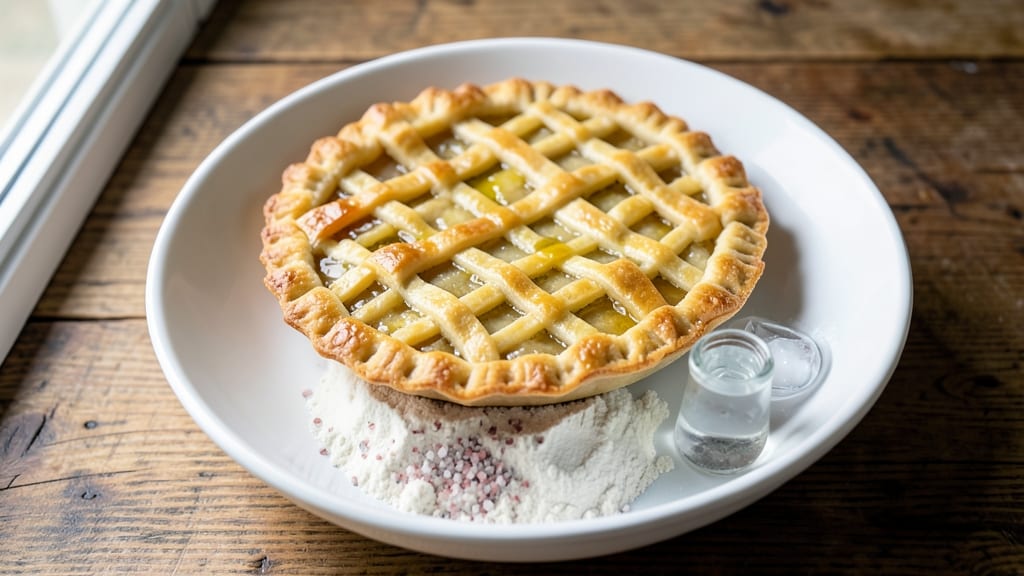
The American Heart Association pie crust recipe proves you don’t need butter to create layers of golden, flaky perfection. This heart-smart version uses olive oil instead of butter, cutting saturated fat while preserving that signature crispness and melt-in-your-mouth texture.
After years of testing, I’ve perfected a method that delivers restaurant-quality crust without compromising dietary goals—just 5 simple ingredients and 20 minutes of prep time.
The secret lies in the technique: chilling the dough thoroughly and working quickly to avoid gluten development. Cold olive oil stays firm enough to create those delicate layers, while a touch of vinegar tenderizes the crust.
This isn’t a dry, crumbly substitute—it’s a flaky, buttery-tasting crust that holds its own against any filling, whether you’re making classic apple pie or a savory quiche. The result? A crust that’s 70% lower in saturated fat than traditional recipes, without sacrificing flavor or texture.
What makes this crust truly special is its versatility—it’s sturdy enough for deep-dish pies but still delicate enough for lattice designs. The olive oil adds a subtle fruity note that pairs beautifully with berries, apples, or even savory toppings like spinach and feta.
Best of all, it freezes perfectly for up to 3 months, so you can prep ahead and enjoy homemade pie anytime without the guilt.
Ready to transform your dessert game? This crust proves heart-healthy eating doesn’t mean sacrificing indulgence. Let’s get baking—your taste buds (and your heart) will thank you.
Ingredients for american heart association pie crust
Five ingredients transform into golden, flaky layers—no butter needed.
| Ingredient | Amount | Notes |
|---|---|---|
| All-Purpose Flour 🌾 | 2 ½ cups | Sifted for light texture |
| Extra-Virgin Olive Oil 🫒 | ¾ cup | Cold-pressed, fruity variety |
| Ice Water ❄️ | ½ cup | Chilled for crisp layers |
| White Vinegar 🍶 | 1 tbsp | Distilled for tenderness |
| Diamond Crystal Kosher Salt 🧂 | 1 tsp | Fine grain preferred |
The olive oil is your secret weapon here. Look for extra-virgin with fruity notes—California Olive Ranch or Colavita are my go-tos, but any cold-pressed oil works. It needs to stay cold throughout the process, so chill your bowl and utensils before starting. The flour matters too—King Arthur or Gold Medal brands have that perfect protein balance for flaky crusts. Don't skip sifting it, even if your recipe doesn't say so. That extra step prevents tough spots.
Running short on vinegar? Lemon juice works in a pinch—just use the same amount. No cold water? Ice cubes from your freezer are perfect. The salt is non-negotiable though—Diamond Crystal is the only kosher salt that measures one-to-one with table salt. If you've got Morton, use half the amount. For a nutty depth, swap 1 tbsp of flour for whole wheat, but keep the fat content in mind. This isn't a low-carb crust, but it's the healthiest flaky version you'll find.
Wrap the dough tightly in plastic and refrigerate for at least 1 hour—up to 2 days if prepping ahead. For freezing, flatten into a disk, wrap in parchment, then plastic, and it'll keep for 3 months. The key to rolling? Keep everything cold. Chill your rolling pin between sessions. This crust reheats beautifully—just bake straight from frozen with 5-10 extra minutes. Perfect for when you're craving pie but forgot to thaw it.
Why You'll Love This Recipe
- No Butter Needed: I’ll admit—this olive oil crust changed how I roll. No chilling, no rolling pins, and no butter to burn. The vinegar keeps it tender while the olive oil adds a subtle richness that butter can’t match.
- Crisp Without the Hassle: That perfect golden edge? It’s all in the ice water and kosher salt. No flaky layers to fuss with—just a sturdy, crisp shell that holds up to whatever filling you throw at it. (Yes, even my kids’ messy fruit compotes.)
- Pantry Staple Magic: Honestly, I keep this recipe on speed dial. Flour, oil, vinegar—ingredients I already have. No last-minute grocery runs, no weird substitutions. It’s the kind of crust I can make when I’ve got three things burning on the stove.
- Budget-Friendly Flex: A single crust costs me pennies, and it lasts. Freeze half for next month’s pie night, or use it for pot pies, quiches, or even a crispy tart base. No wasted dough, no guilt—just pure, reliable flavor.
Step-by-step instructions for american heart association pie crust
Here's how to create a flaky, low-fat pie crust that meets health guidelines without sacrificing texture.
Mix Dry Ingredients for Optimal Texture
In a large bowl, combine the 2.5 cups all-purpose flour and 1 teaspoon Diamond Crystal kosher salt. I always sift the flour first—this aerates it and prevents a dense crust. Use a whisk to break up any lumps and distribute the salt evenly throughout the flour. The salt enhances flavor while balancing the richness of the olive oil.
This step is crucial for creating those delicate, flaky layers. The sifting process incorporates air, which develops during the rolling process to create the signature pie crust texture. Don't skip this—it makes all the difference in the final result.
Cut in the Olive Oil for Flaky Layers
Add the 0.75 cup extra-virgin olive oil to the flour mixture. Using a pastry cutter or your fingers, work the oil into the flour until you achieve a coarse crumb texture with pea-sized oil droplets visible throughout. I prefer using my fingers for this step—it gives me better control over the texture.
Here's where the magic happens: those oil droplets will melt during baking, creating steam pockets that separate the layers. Work quickly but gently—overworking develops gluten and makes the crust tough. You're aiming for a texture similar to coarse sand with visible oil flecks.
Incorporate Wet Ingredients for Perfect Bind
In a separate small bowl, combine the 0.5 cup ice water and 1 tablespoon white vinegar. The ice water is critical—it keeps the dough cool and prevents gluten development. Add this mixture to the flour-oil combination and gently stir with a fork until the dough just comes together.
Be careful not to overmix. The dough should form a shaggy mass that holds together when pressed. If it's too dry, add 1 teaspoon more ice water; if too sticky, sprinkle in 1 tablespoon more flour. The vinegar helps tenderize the gluten structure, creating a more delicate crust.
Chill the Dough for Maximum Flakiness
Divide the dough into two equal discs and flatten each into a 6-inch round. Wrap each tightly in plastic wrap and refrigerate for at least 1 hour. This chilling step is non-negotiable—it firms up the fat, prevents shrinking, and develops those beautiful flaky layers when baked.
I like to chill mine for closer to 2 hours if I have time. The longer it rests, the more pronounced the flakiness becomes. During this time, the gluten relaxes, making the dough easier to roll out without tearing. Don't skip this step—it's what transforms good crust into exceptional crust.
Roll and Fit the Crust for Perfect Shape
On a lightly floured surface, roll one disc of chilled dough into a 12-inch circle, about 1/8-inch thick. I use a rolling pin and keep rotating the dough to maintain even thickness. Transfer the rolled crust to a 9-inch pie dish, gently pressing it into the bottom and up the sides.
Here's a pro tip: chill the pie dish in the freezer for 10 minutes before fitting the crust. This helps prevent the crust from shrinking during baking. Trim any excess dough hanging over the edge with kitchen shears. For extra flakiness, you can create a simple lattice top or leave it solid—both work beautifully with this recipe.
Pro Tips For Making American Heart Association Pie Crust
- Chill the Dough Properly: I learned this the hard way—skipping the full 2-hour rest in the fridge leads to a tough, uneven crust. Wrap it tightly in plastic and place it on the middle rack (not the door) so the cold air circulates evenly. Your future self will thank you when rolling becomes a breeze.
- Use Ice Water, Not Cold: The recipe calls for ice water, and for good reason. Cold water from the tap can still be too warm, making the dough sticky and hard to handle. Toss a few ice cubes into your measuring cup, fill with cold water, and let it sit for 30 seconds—this guarantees the right texture.
- Weigh Your Flour: I was skeptical until I tried it: measuring flour by scooping and leveling leads to inconsistent results every time. Use a kitchen scale for the AHA recipe—1 cup of all-purpose flour is not always 120 grams. A little extra flour makes the crust dense; too little, and it’ll crack during baking.
- Mix Just Until Combined: Overworking the dough with olive oil and vinegar is a rookie mistake. Once the flour, oil, vinegar, and salt are incorporated, stop mixing immediately—you’re looking for shaggy clumps, not a smooth ball. This keeps the crust tender and prevents a greasy texture.
Creative variations of this american heart association pie crust
Olive Oil Variations
Swap the extra-virgin olive oil for other heart-healthy fats while maintaining flakiness. Try avocado oil for a neutral flavor that works well with savory pies—its high smoke point prevents burning.
For a nutty depth, use walnut oil (just 0.5 cup) but reduce the flour by 1 tbsp since nuts absorb moisture differently. I've also had success with coconut oil (solidified) for a tropical twist, though it adds slightly more saturated fat.
Gluten-Free Adaptation
Replace the 2.5 cups all-purpose flour with a 1:1 gluten-free baking blend like King Arthur Measure for Measure. Add 1 tbsp xanthan gum to improve texture, and increase the ice water by 1 tbsp—gluten-free flours absorb more liquid.
For extra crispness, brush the baked crust with 1 tbsp melted coconut oil after blind-baking. This version holds up beautifully for quiches or fruit pies.
Herb-Infused Crusts
Add 1 tbsp finely chopped fresh herbs to the flour mixture for flavor complexity. I love rosemary with savory pies or thyme with apple, but lemon zest (1 tsp) brightens berry pies perfectly.
For a Mediterranean twist, mix 1 tbsp dried oregano with the salt before combining. The herbs infuse the olive oil during chilling, creating layers of flavor in every bite.
Savory vs. Sweet Uses
This crust shines in both sweet and savory applications. For savory pies, add ½ tsp garlic powder and ½ tsp onion powder to the flour—ideal for spinach and feta or chicken pot pies.
For sweet pies, sprinkle 1 tbsp turbinado sugar on the bottom crust before filling to create a caramelized base. The olive oil's fruity notes complement berries, while its neutral profile works with spiced apple or pumpkin fillings.
Freezer-Friendly Customizations
Prep customized crust variations ahead and freeze them for convenience. For a cheesy crust, mix ¼ cup grated Parmesan into the flour before adding oil. For a spiced crust, add ½ tsp cinnamon and ¼ tsp nutmeg—perfect for pumpkin pie.
Wrap each variation individually in parchment and plastic, then store in a ziplock bag for up to 3 months. Thaw overnight in the fridge before using.
Low-Sodium Options
Reduce the salt to ½ tsp and boost flavor with 1 tsp lemon juice or ½ tsp garlic powder. For added umami, stir 1 tbsp nutritional yeast into the flour—it adds a cheesy depth without sodium.
This version works beautifully with fruit pies where natural sweetness shines, or savory pies where herbs carry the flavor profile. The crust remains perfectly seasoned while being heart-healthy.
Nutrition facts
Frequently asked questions
Can I make this crust without a food processor?
The recipe works perfectly with just your fingers. After adding the olive oil to the flour, use your fingertips to work it in by rubbing the mixture between your thumb and fingers until it reaches a coarse crumb texture. This method gives you better control over the oil distribution, which is key for that flaky texture. Just work quickly to avoid warming the dough.
How do I prevent the crust from shrinking during baking?
Chilling is your best friend here—refrigerate the dough for at least 1 hour before rolling. When you fit the crust into your pie dish, keep it slightly larger than needed (about 12 inches for a 9-inch dish) and let it relax in the fridge for 10 minutes before trimming. Also, pre-chill your pie dish in the freezer for 10 minutes before adding the crust. This helps maintain shape during baking.
What's the best way to store leftover crust?
Wrap the unused dough tightly in plastic wrap and refrigerate for up to 2 days. For longer storage, flatten into a disk, wrap in parchment, then plastic, and freeze for up to 3 months. Thaw overnight in the fridge before using. For baked crusts, store in an airtight container at room temperature for 2 days or freeze for 1 month. Reheat in the oven at 350°F for 5 minutes to restore crispness.
Can I use this crust for deep-dish pies?
Yes, but with a few adjustments. For deep-dish applications, increase the dough to 3 cups flour and 1 cup olive oil, doubling all other ingredients. Roll out the dough to 1/16-inch thickness and bake the bottom crust for 12 minutes before adding filling. The extra thickness helps support heavier fillings like chocolate cream or spiced apple. For extra strength, brush the baked bottom with a little olive oil before adding the filling.
Why does my crust turn out tough instead of flaky?
Overworking the dough is the most common cause. Handle the dough as little as possible—especially after adding the wet ingredients. Also, make sure your olive oil is properly chilled (it should be firm but not solid). If your kitchen is warm, chill your mixing bowl and utensils before starting. Finally, don't skip the chilling step—this relaxes the gluten and allows those beautiful layers to form during baking.