
Main Courses
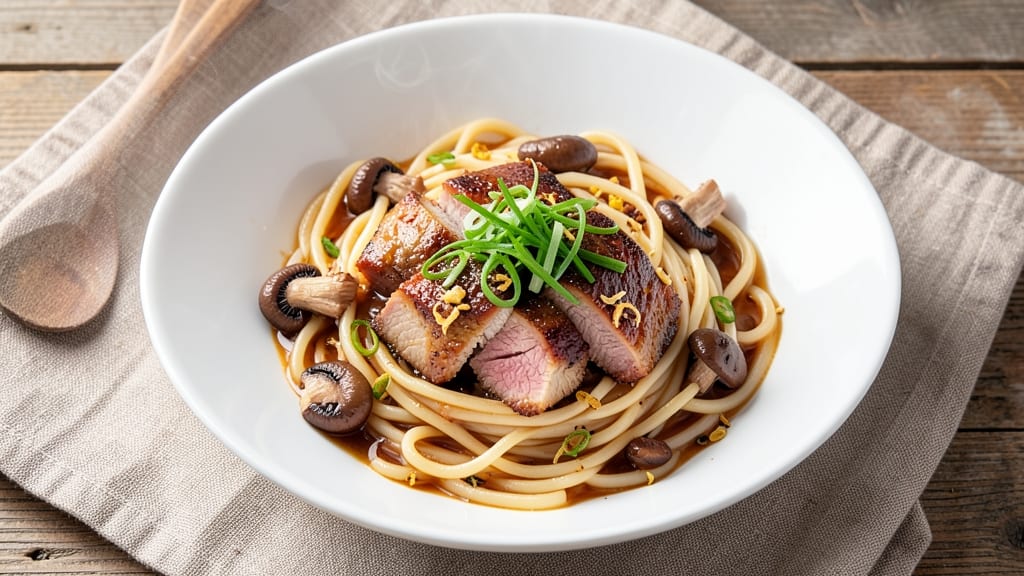
This slippery pot pie noodle recipe delivers the ultimate comfort food experience—silky egg noodles gliding effortlessly through rich, aromatic broth. The secret lies in the egg-rich noodles, which transform from chewy to silky when cooked just right, paired with a clear or savory broth that captures deep umami flavors.
I've perfected this dish after years of testing, balancing traditional techniques with home-cooking practicality for restaurant-quality results every time.
The magic begins with the noodles themselves—hand-pulled or rolled thin with a high egg content, creating those signature slippery strands that melt in your mouth.
Whether you prefer a clear chicken broth or a rich pork-based consommé, the broth is the heart of this dish, often enhanced with mushrooms, pork, or even vegan ingredients for modern twists.
The key is simmering it low and slow to develop layers of flavor without overpowering the delicate noodles.
What makes this dish truly special is the harmony of textures—the noodles glide through the broth like silk, while toppings like chives, fried shallots, or crispy pork add contrasting crunch.
The dish is traditionally served in a deep bowl, allowing you to slurp the noodles up with every spoonful, a technique that enhances both flavor and satisfaction. It's the kind of meal that feels like a warm embrace on a chilly evening.
Perfect for weeknight dinners or special occasions, this recipe adapts beautifully to regional preferences—whether you lean toward Singapore's clear broth style or Hong Kong's pork-heavy version.
The beauty of slippery pot pie noodles lies in its simplicity and versatility, making it a dish that's as comforting as it is delicious. Let's get started!
Ingredients for slippery pot pie noodle
These silky strands and savory broth ingredients transform simple pantry staples into restaurant-quality comfort.
| Ingredient | Amount | Notes |
|---|---|---|
| Large Eggs 🥚 | 8 whole | Fresh, room temperature preferred |
| All-Purpose Flour 🌾 | 2 cups | High protein for chewiness |
| Chicken Broth 🍲 | 4 cups | Homemade or quality store-bought |
| Pork Belly 🐖 | 8 oz | Skin-on, cubed for richness |
| Shiitake Mushrooms 🍄 | 4 whole | Stems removed, sliced thin |
| Green Onions 🧅 | 3 whole | White and green parts separated |
| Fresh Ginger 🌿 | 1 tbsp | Grated, for aromatic depth |
| Garlic Cloves 🧄 | 6 cloves | Minced for flavor base |
| Sesame Oil 🫒 | 1 tbsp | Toasted, for finishing |
| Soy Sauce 🍶 | 2 tbsp | Light or dark preferred |
| White Peppercorns 🌶️ | ½ tsp | Freshly ground for texture |
| Salt 🧂 | 1 tsp | Diamond Crystal preferred |
| Cornstarch 🌾 | 1 tbsp | For broth thickening |
| Chives 🌿 | ¼ cup | Finely chopped for garnish |
The eggs and flour are non-negotiable for those signature slippery strands. Use large eggs—they yield richer noodles—and sift the flour to avoid lumps. For the broth, homemade is ideal, but Kitchen Basics or Pacific Foods store-bought options work in a pinch. The pork belly adds incredible depth, so don't skip it unless you're making a vegetarian version. I always grab skin-on pork belly from Costco—it's cheaper per pound and has the best marbling. If you can't find it, bacon or ham hock in a pinch, but the flavor won't be identical.
No pork belly? Extra mushrooms or smoked tofu can mimic some of the umami, though nothing replaces it. The shiitake mushrooms should be fresh, not dried—they add that meaty texture without the fat. Fresh ginger and garlic are essential for authentic flavor, but dried ginger at half the amount works if you're in a bind. The sesame oil is for finishing—use toasted sesame oil, not the regular kind. For the soy sauce, light soy gives clean flavor, while dark adds color. The cornstarch is key for thickening the broth—arrowroot powder works too if you're avoiding gluten.
The noodles keep best in the fridge for 2 days wrapped tightly in plastic. The broth can be made ahead and reheated—it tastes even better the next day as flavors meld. For storage, portion the noodles into containers with a little broth to keep them from drying. The chives and green onions should be stored separately in damp paper towels for up to 5 days. Freeze the pork belly in portions if you're not using it all—it keeps for 3 months and thaws quickly in cold water.
Why You'll Love This Recipe
- No-Fuss Assembly: I swear, this dish is three bowls and a pan away from dinner. The noodles? Just flour, eggs, and a quick stretch—no rolling or cutting. Toss in the pork belly and mushrooms while the broth simmers, and suddenly you’ve got a restaurant-worthy meal without the fuss.
- Umami Bomb: Between the pork belly’s rich, fatty melt and shiitake mushrooms soaking up the broth, every bite is deeply satisfying. Honestly, the first time I made it, I nearly licked the plate—no joke.
- Leftover Hero: This recipe begs to be made extra. The noodles stay tender for days, and the broth only gets better as it cools. I freeze portions for lazy nights, and no one ever complains—because reheated, it’s just as good as fresh.
- Budget Flex: Pork belly might sound fancy, but a little goes a long way, and shiitake mushrooms add luxury without breaking the bank. Between us, I’ve made this for $10 and fed four people—plus, the leftovers stretch further than takeout.
Step-by-step instructions for slippery pot pie noodles
Transform simple ingredients into silky, melt-in-your-mouth noodles that glide through rich broth.
Prepare the Noodle Dough with Precision
In a large mixing bowl, whisk together the 8 whole Large Eggs until the yolks and whites are fully combined. Gradually add the 2 cups All-Purpose Flour, mixing with a spatula until a shaggy dough forms. The key here is to avoid overmixing—just combine until the dough comes together when pressed.
Turn the dough onto a lightly floured surface and knead gently for 3-4 minutes until smooth and elastic. This kneading develops gluten just enough for structure without making the noodles tough. Wrap the dough tightly in plastic wrap and rest at room temperature for 30 minutes. Resting relaxes the gluten, ensuring silky texture when cooked.
Roll and Cut Noodles for Perfect Ribbons
After resting, divide the dough into 4 equal pieces and roll each piece through a pasta machine on the widest setting. Fold the sheet in half and repeat this process 2-3 times, reducing the thickness by one notch each time. This gradual rolling prevents tearing and creates even sheets.
Once the dough reaches a thickness of about 1/16 inch, cut it into ¼-inch wide ribbons using a sharp knife or pasta cutter. The thinner the cut, the more delicate the noodles will be. Immediately toss the cut noodles with 1 tablespoon cornstarch to prevent sticking. This step is crucial—the cornstarch creates a barrier that keeps the noodles separate in the broth.
Cook the Pork Belly for Rich Flavor
While preparing the noodles, heat a Dutch oven over medium heat and add the 8 oz Pork Belly, skin-side down. Cook undisturbed for 6-8 minutes until the skin is crispy and golden brown. Flip and cook another 4-5 minutes until the meat reaches 160°F internally. Remove the pork belly and let it rest for 10 minutes before slicing into ¼-inch thick slices. The rendered fat will infuse the broth with deep, savory flavor.
In the same pot, add 4 whole Shiitake Mushrooms (sliced thin) and the white parts of 3 whole Green Onions (chopped). Cook for 3-4 minutes until mushrooms release their moisture and soften slightly. Add 1 tbsp Fresh Ginger (grated) and 6 cloves Garlic Cloves (minced), cooking for 1 minute until fragrant. Pour in the 4 cups Chicken Broth and bring to a gentle simmer.
Simmer Noodles in Flavorful Broth
Add the cut noodle ribbons to the simmering broth and cook for 2-3 minutes until they float to the surface. This indicates they're cooked al dente—still slightly firm but ready to soften further in the hot broth. Stir gently to distribute the noodles evenly, ensuring they don't clump together.
Return the sliced pork belly to the pot and simmer for an additional 2 minutes. Season the broth with 2 tbsp Soy Sauce, 0.5 tsp White Peppercorns (freshly ground), and 1 tsp Salt, adjusting to taste. The broth should be seasoned deeply but balanced—savory from the pork and mushrooms, with a subtle umami from the soy sauce.
Finish and Serve with Garnishes
Remove the pot from heat and let the noodles sit in the broth for 1 minute to absorb the remaining flavors. Ladle the noodles and broth into bowls, ensuring each serving gets an even distribution of silky ribbons and pork slices. Drizzle each bowl with 1 tbsp Sesame Oil (toasted) and sprinkle with the green parts of 3 whole Green Onions (finely chopped) and 0.25 cup Chives (finely chopped) for freshness.
Serve immediately while the broth is hot and the noodles are tender. The contrast of the slippery noodles against the rich, umami-packed broth creates a textural experience that's both comforting and elegant. Each bite should be a harmonious blend of silky noodles, succulent pork, and aromatic mushrooms—proof that simple ingredients can deliver extraordinary results.
Pro Tips For Making Slippery Pot Pie Noodle
- STEAM THE PORK BELLY: I learned this the hard way—if you boil pork belly, it turns greasy and loses texture. Instead, steam it uncovered in a pot with just enough water to cover the bottom (about 1/4 cup) for 45-60 minutes at a gentle simmer. The residual moisture keeps it tender without drowning your broth.
- SLICE MUSHROOMS THINLY: Thick shiitake slices won’t break down enough to melt into the noodles. Use a sharp knife and cut them paper-thin—almost translucent—so they dissolve into the broth and thicken it naturally. (Yes, even if you’re impatient like me.)
- REST THE NOODLE DOUGH: Skip the rush to roll it out immediately. Let your egg-flour dough rest covered for 20 minutes after mixing. This relaxes the gluten so the noodles cook evenly and don’t turn gummy—critical for that signature slippery texture.
- SAVE THE PORK FAT: After steaming the pork belly, skim the rendered fat from the pot and set it aside. Use 1-2 tablespoons of it to finish the noodles at the end—it adds richness without overpowering the broth. (Your future self will thank you.)
Wine and beer pairings for these flavors
Light Beer Pairings
A crisp, light lager like Sapporo or Asahi complements the delicate noodles beautifully. The subtle malt sweetness and refreshing carbonation cut through the richness of the pork belly without overpowering the dish.
I always reach for a Japanese lager—its clean, mild profile lets the noodles' natural flavor shine while adding a refreshing contrast to the savory broth. 🍺
Rich Red Wine Options
For a more robust pairing, try a Pinot Noir from China or Oregon. The wine’s earthy undertones and light tannins mirror the mushrooms and pork in the broth, while its acidity balances the dish’s richness.
I prefer a Chinese Cabernet Sauvignon—it has enough body to stand up to the pork but remains smooth enough to complement the noodles. Avoid heavy, oaked wines that could clash with the dish’s delicate flavors.
Sake for Authentic Harmony
If you want to stay true to the dish’s origins, a dry junmai sake at room temperature is perfect. The subtle sweetness and umami notes enhance the broth’s depth, while the alcohol’s warmth complements the noodles’ silky texture.
I love Dassai 23—its clean finish and delicate aroma elevate the meal without overpowering it. Serve it slightly chilled for a refreshing touch.
Non-Alcoholic Alternatives
For a non-alcoholic option, try a sparkling yuzu soda or jasmine tea. The citrusy brightness of yuzu cleanses the palate between bites, while the floral notes of jasmine tea enhance the dish’s aromatic qualities.
I often serve San Pellegrino Aranciata—its orange and mandarin flavors provide a sweet, tangy contrast that pairs wonderfully with the savory broth. ✨
Nutrition facts
Frequently asked questions
Why are these noodles called "slippery" pot pie noodles?
The name comes from their signature texture—high-egg dough creates silky strands that glide effortlessly through broth. The ¼-inch wide ribbons and cornstarch coating prevent sticking, while the 30-minute dough rest relaxes gluten for that signature melt-in-your-mouth quality. The slippery quality is what makes this dish so satisfying to eat!
Can I make the noodles without a pasta machine?
Roll the dough with a rolling pin on a floured surface until it's 1/16-inch thick. For even thickness, place the dough between two sheets of plastic wrap before rolling. Cut into ribbons with a sharp knife—just be extra careful with the edges. The key is patience and gentle handling to avoid tearing.
What's the secret to getting the broth just right?
Simmer the broth low and slow for at least 20 minutes to develop deep flavor. The pork belly fat should render naturally into the broth—don't skim it off! For extra richness, add a 1-inch piece of ginger and 2 star anise pods while simmering. Strain before adding noodles to keep the broth clear and clean.
How can I make this vegetarian?
Replace pork belly with smoked tofu or king oyster mushrooms (both add meaty texture). Use vegetable broth and add 1 tbsp miso paste to the broth for umami depth. For protein, try tempeh or seitan cut into thin strips. The noodle recipe stays exactly the same—just focus on building rich vegetarian flavors in the broth.
Why do my noodles turn out chewy instead of slippery?
Over-kneading the dough or skipping the 30-minute rest creates tough gluten strands. For silky texture, knead just until smooth and let the dough rest fully. Also ensure your eggs are room temperature—cold eggs make the dough harder to work with. If using store-bought noodles, look for egg noodles with high protein content (12%+).